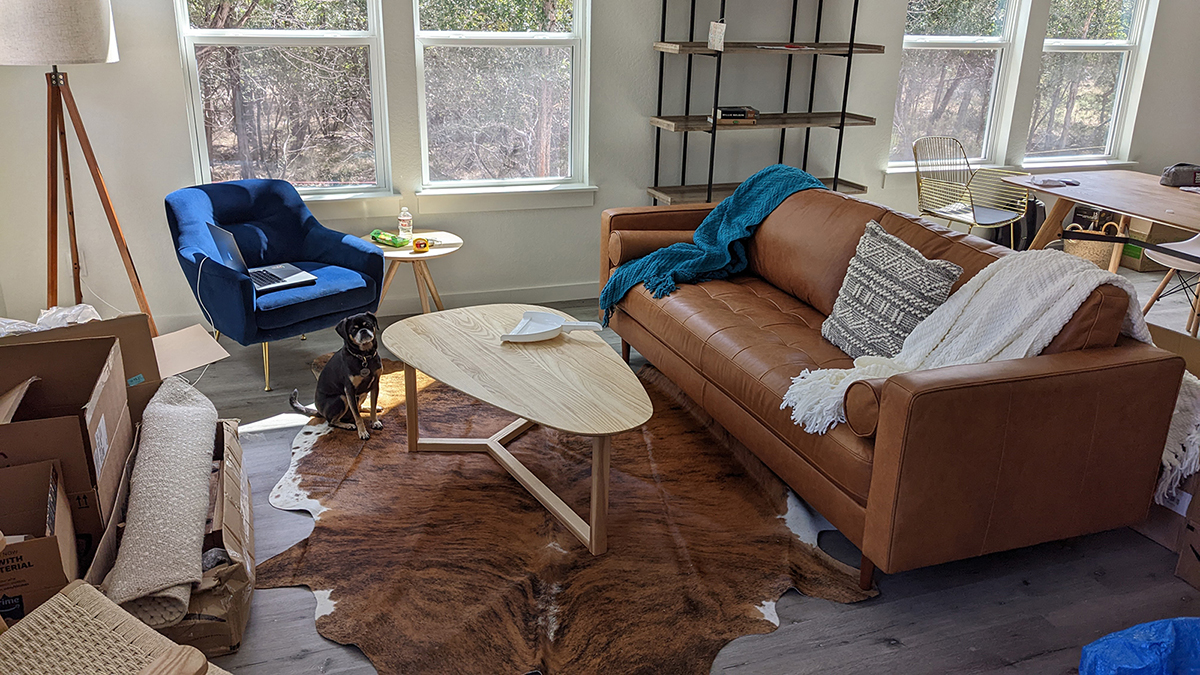
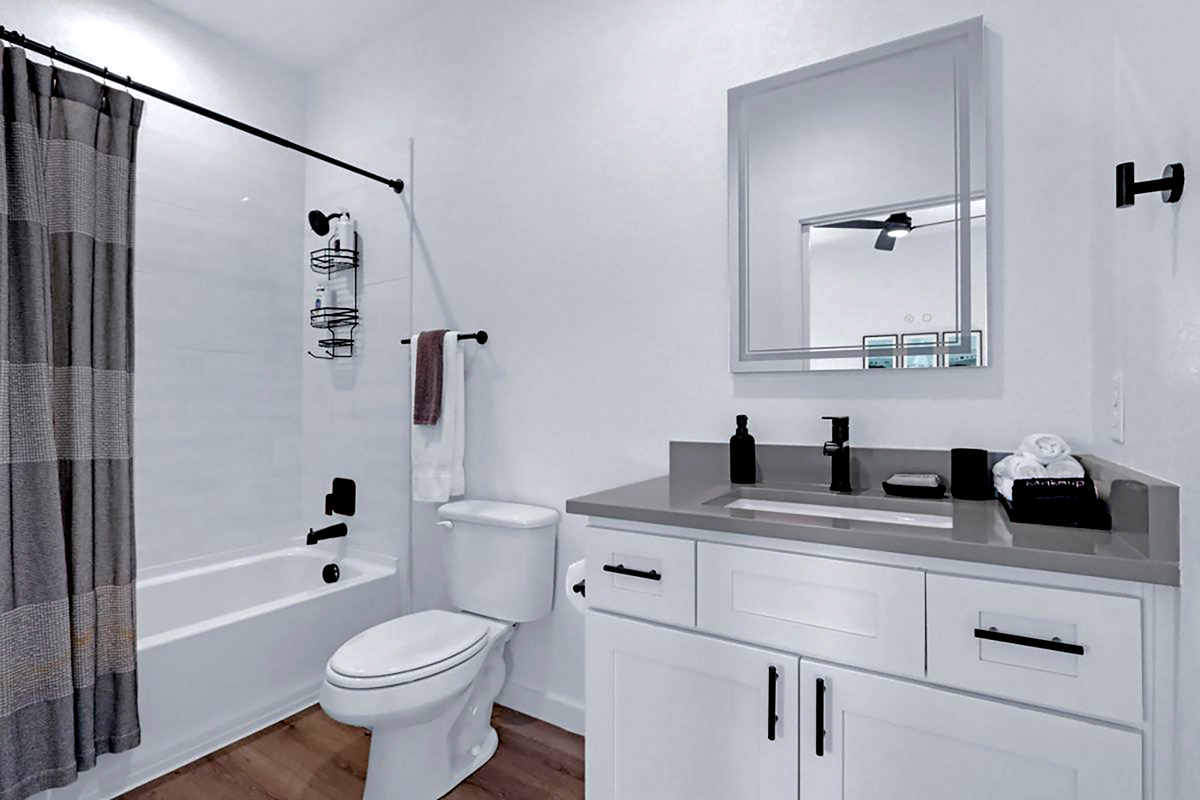
"Every time I walk in the house, I kid you not, I breathe a sigh of relief."
Chandler
Current Tenant


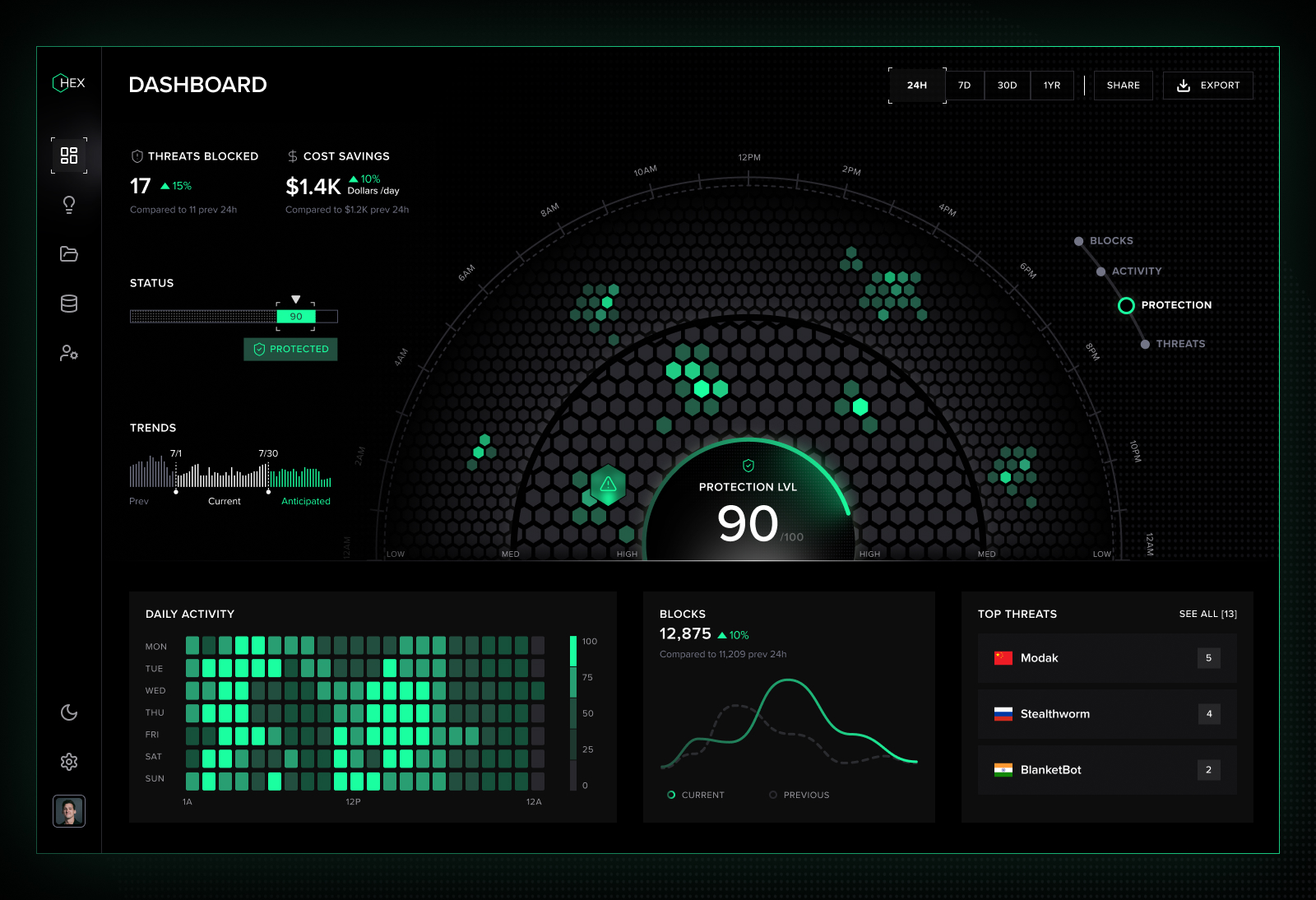
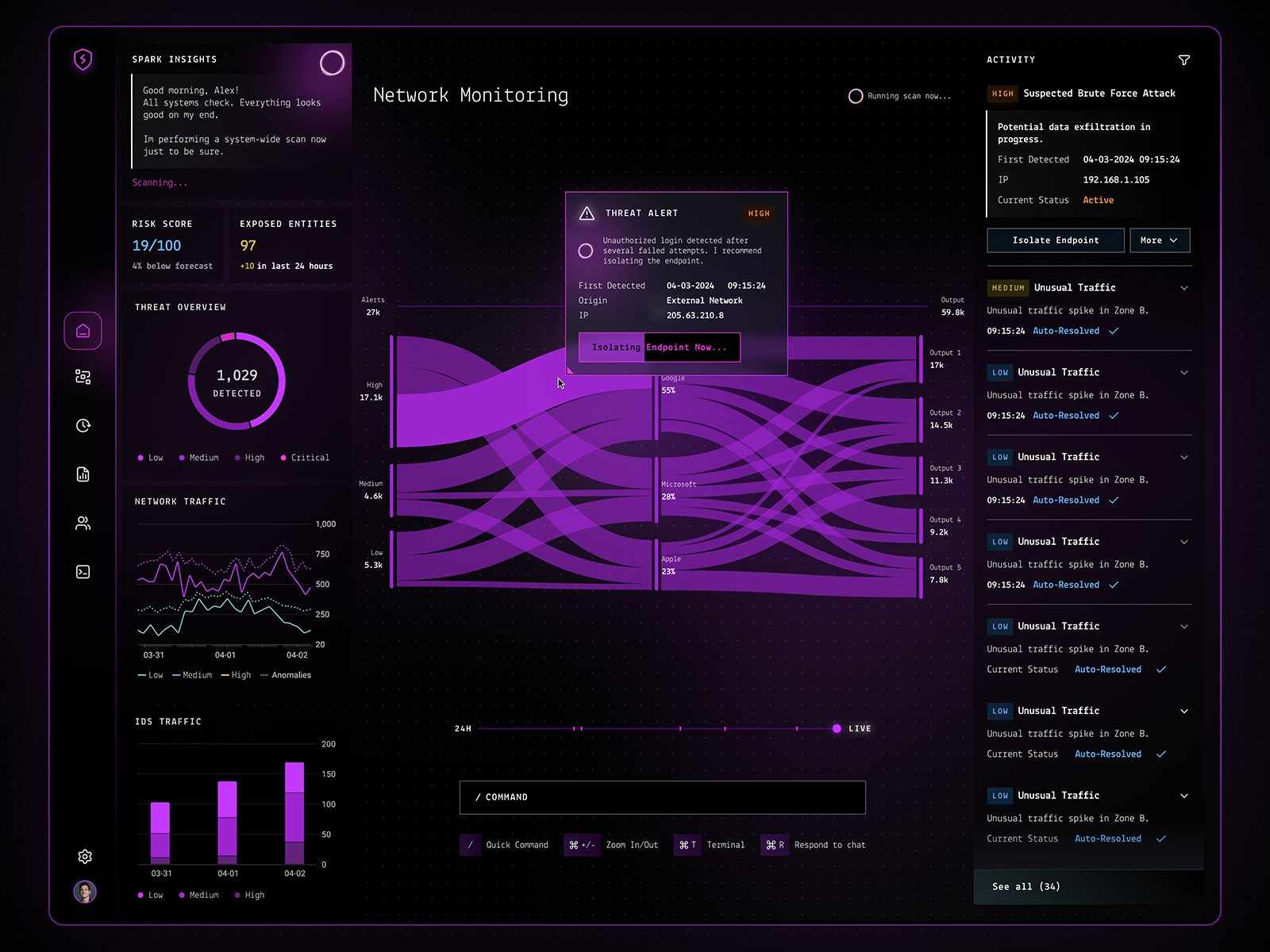
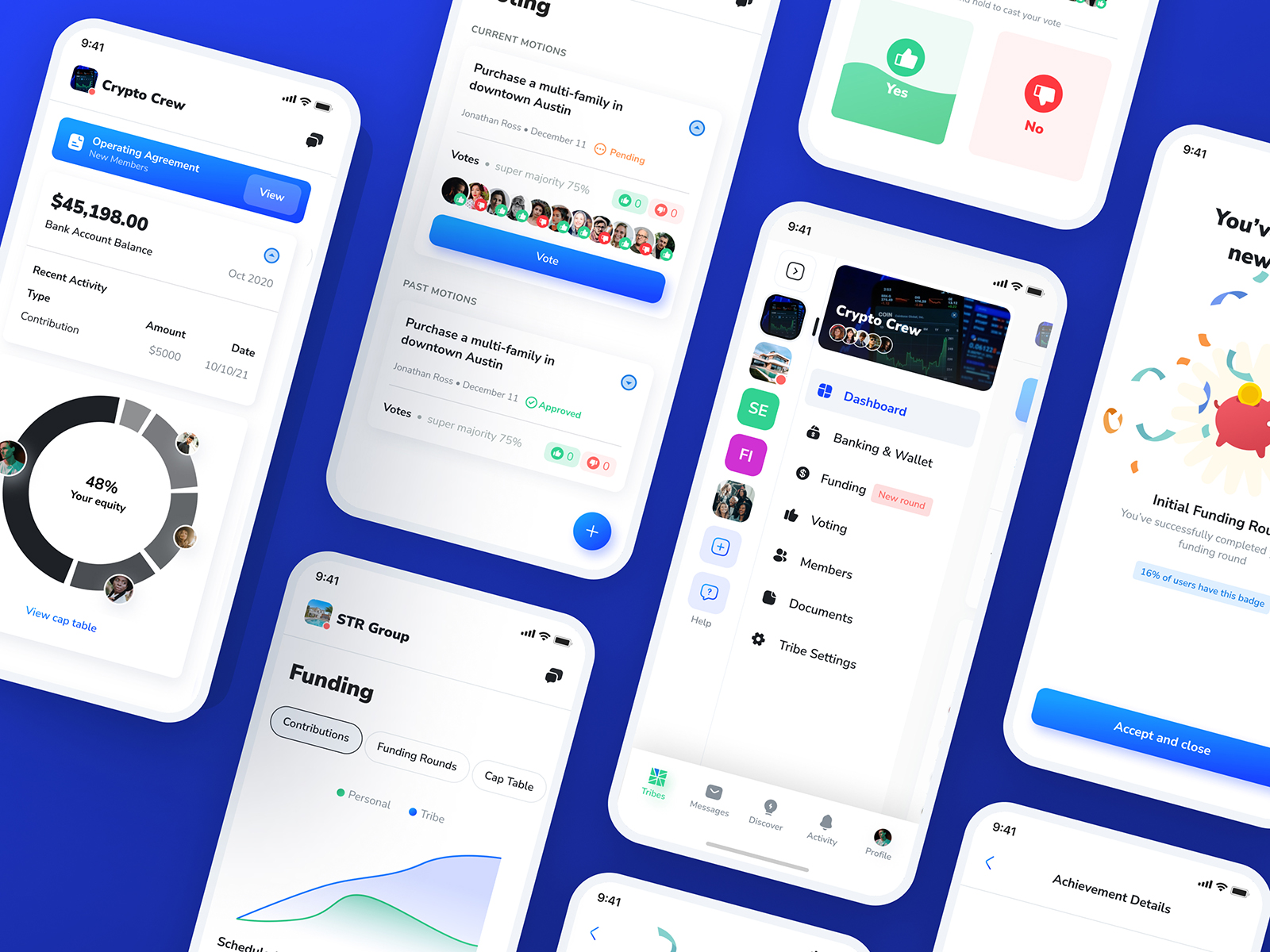
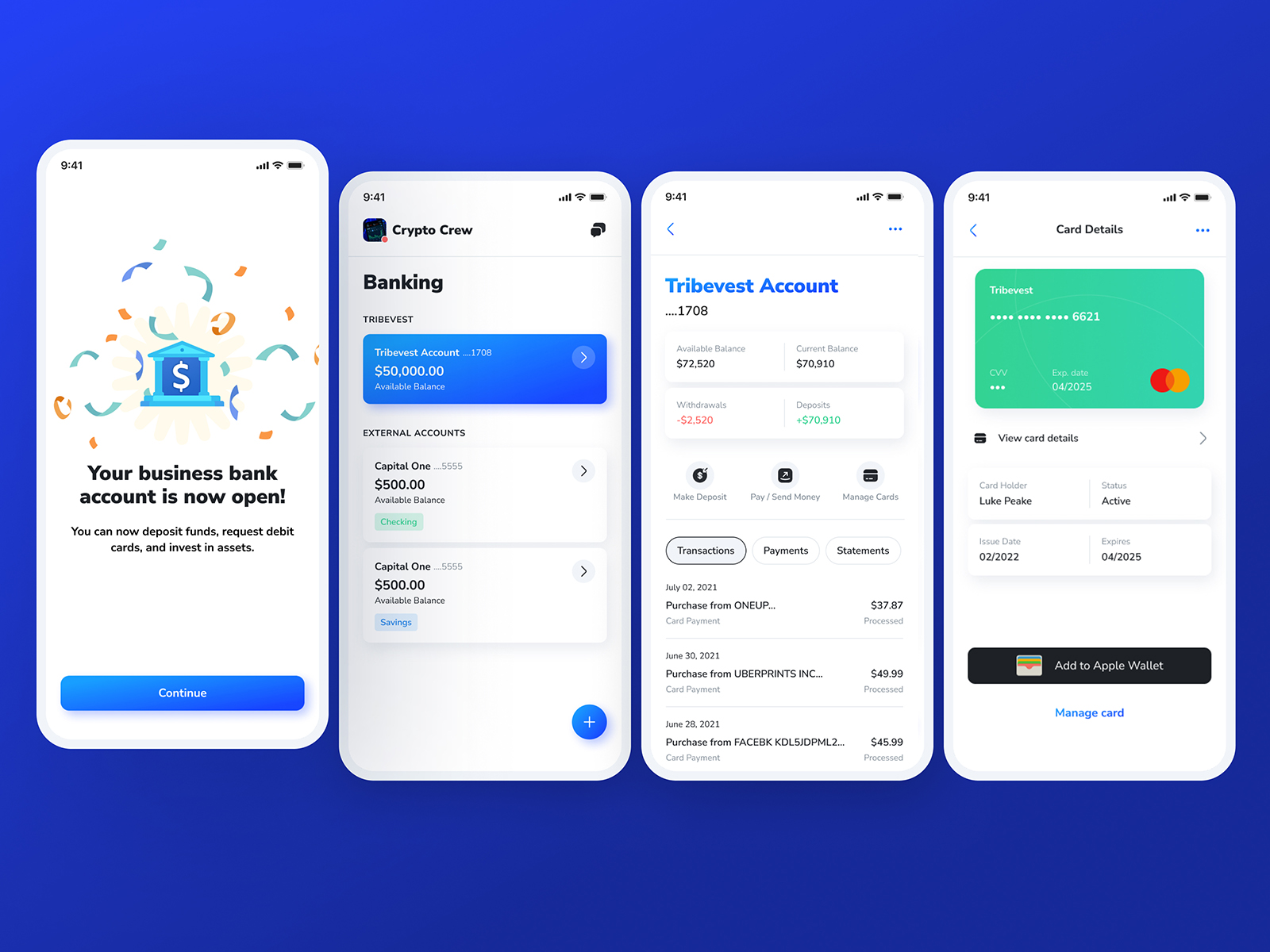
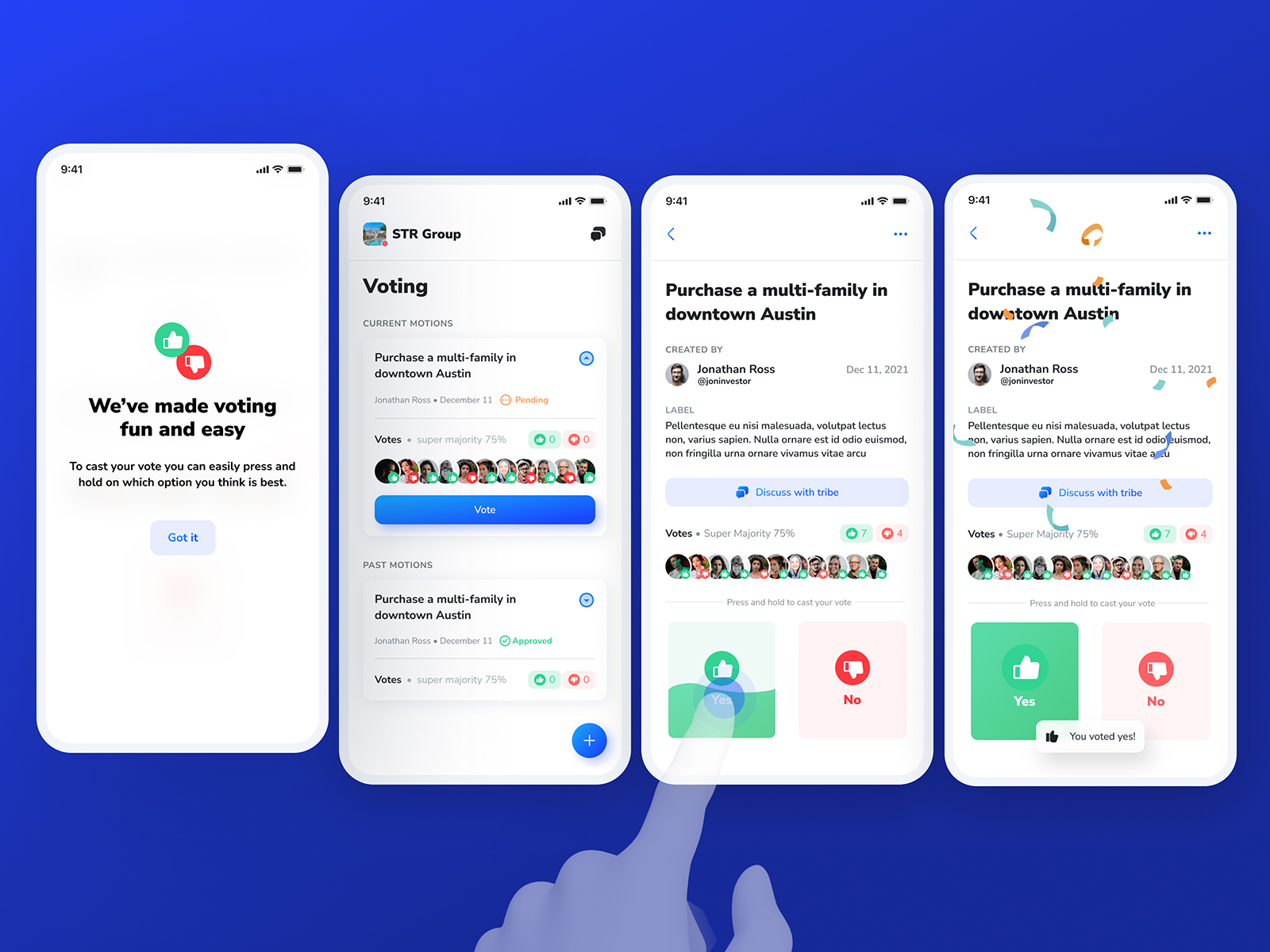
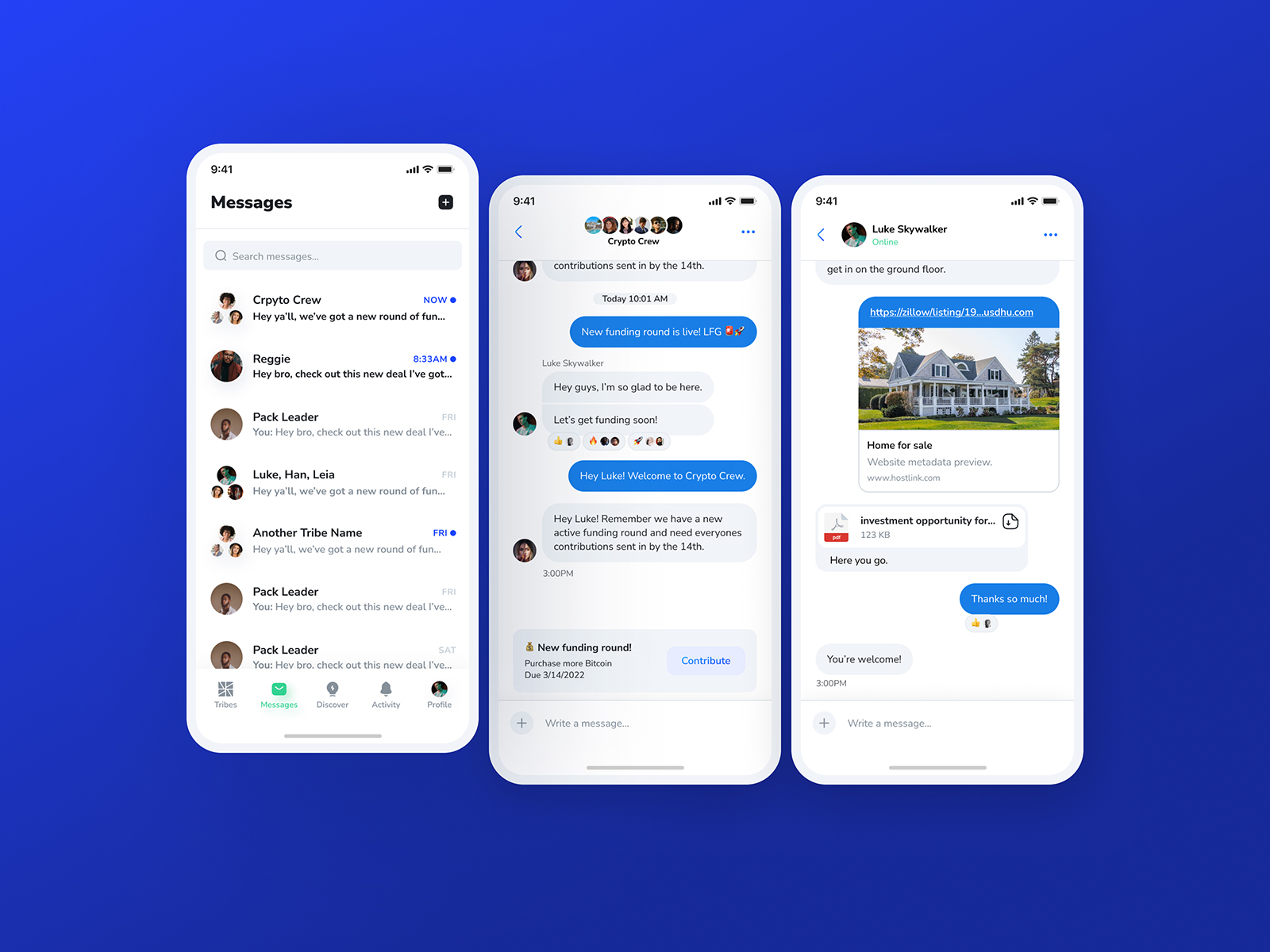
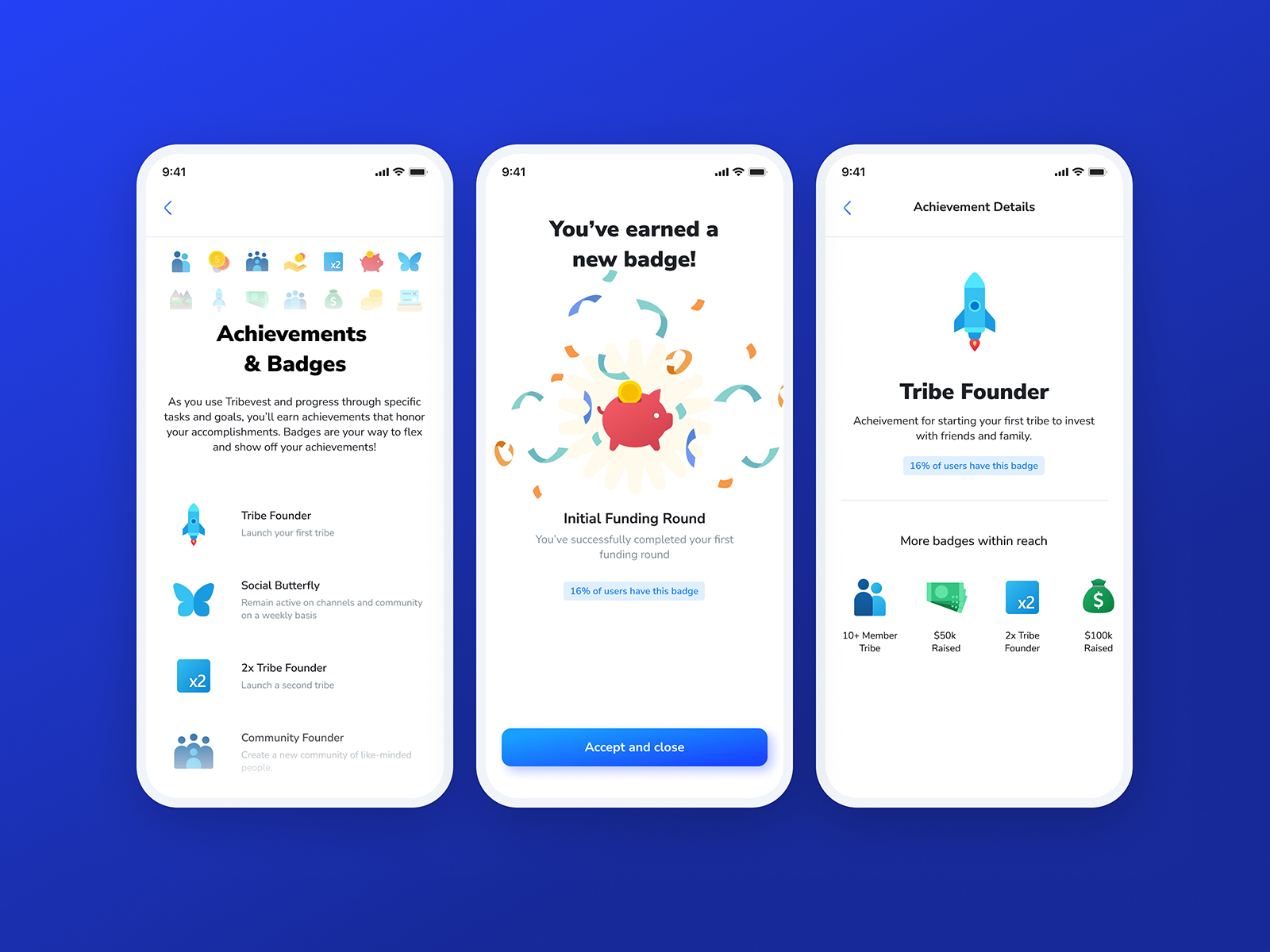
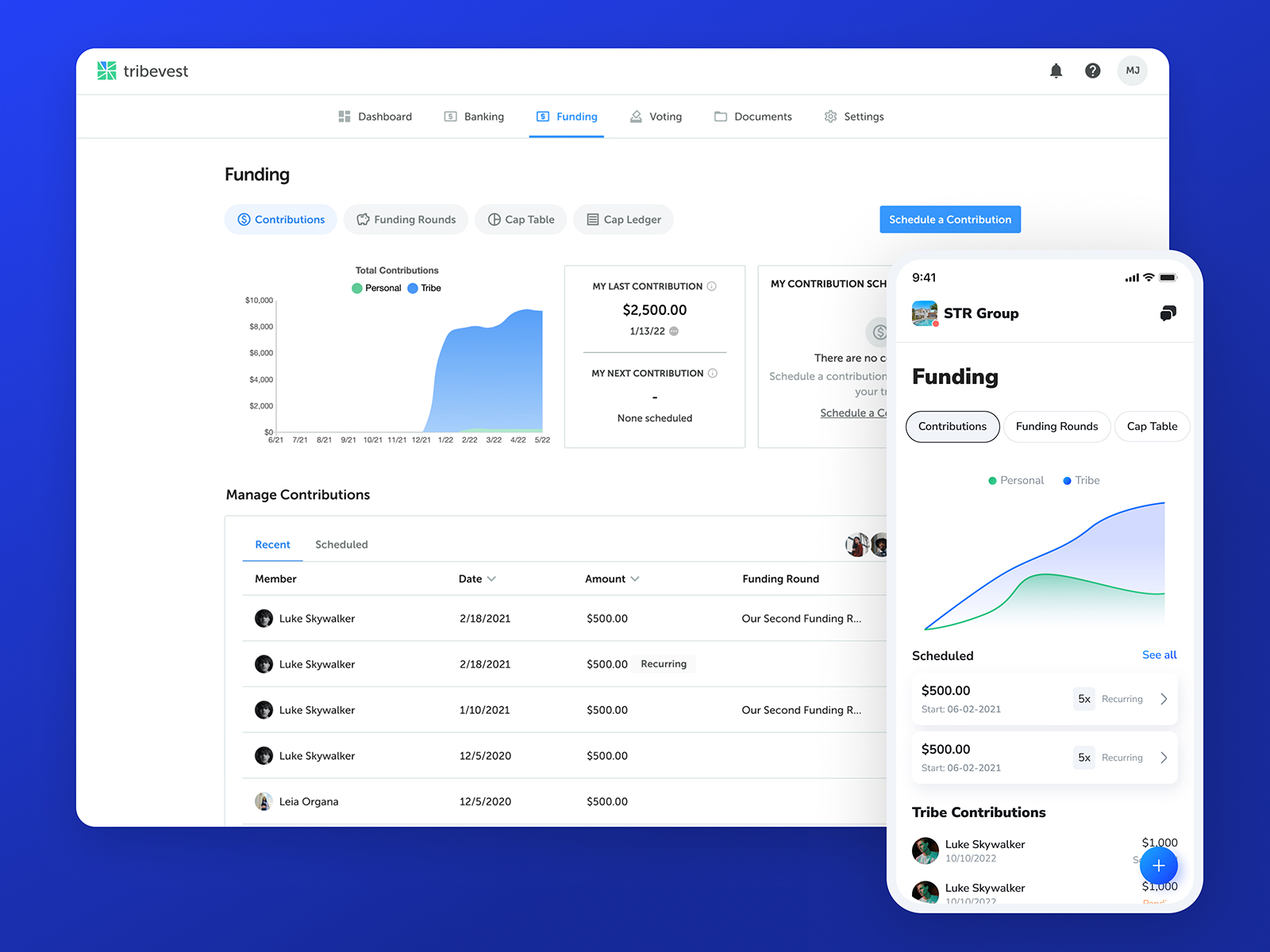
At Tribevest, I led the design and delivery of several highly requested features—including tools for group investing, digital banking, cap tables, and operating agreements—based directly on insights from in-depth user research and testing with real investor groups. These efforts were grounded in a deep understanding of user pain points and financial workflows. I also built Tribevest’s end-to-end design system and visual language from the ground up, ensuring consistency and scalability across both web and mobile platforms in a high-trust, regulated environment.


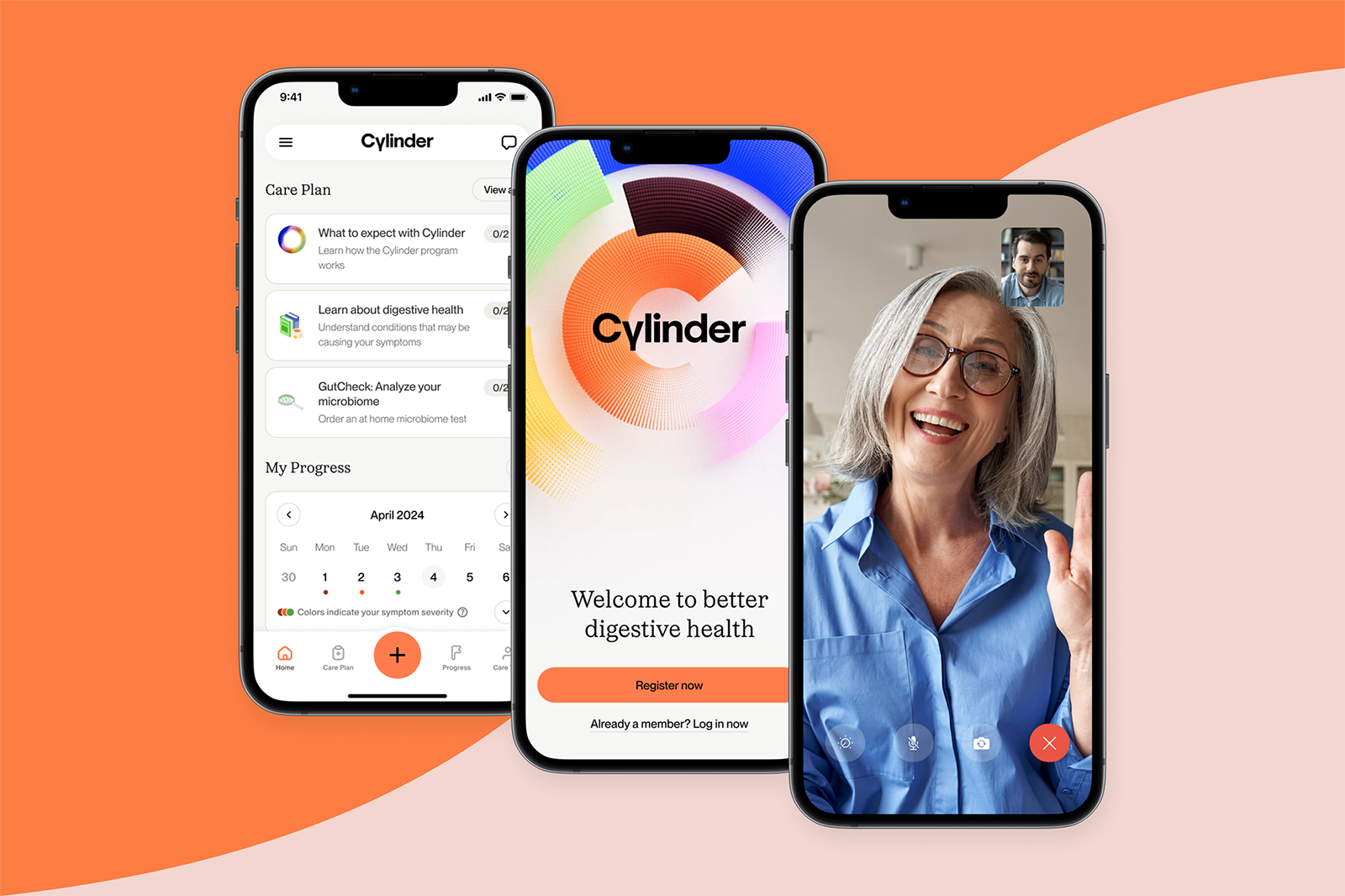
At Cylinder Health, I led the transformation of their design system, evolving it into a scalable, developer-friendly platform that dramatically improved design consistency and velocity across mobile and web. I spearheaded the end-to-end design of high-priority features like GutCheck, launched across both platforms, and overhauled their video and text communication experiences to better support patient-clinician trust. In parallel, I helped hire, coach, and mentor a growing design team—laying the groundwork for a collaborative, high-performing product design culture.

At Pacify Health, I led key efforts to modernize and elevate the mobile app experience, focusing on clarity, trust, and ease of use for new and expecting parents. I redesigned core flows to improve onboarding, provider matching, and in-app communication. Alongside hands-on product design, I introduced a lightweight design system to streamline collaboration and build UX consistency. I also mentored and coached their visual designer, helping her grow into the confident, well-rounded product designer she aspired to become.
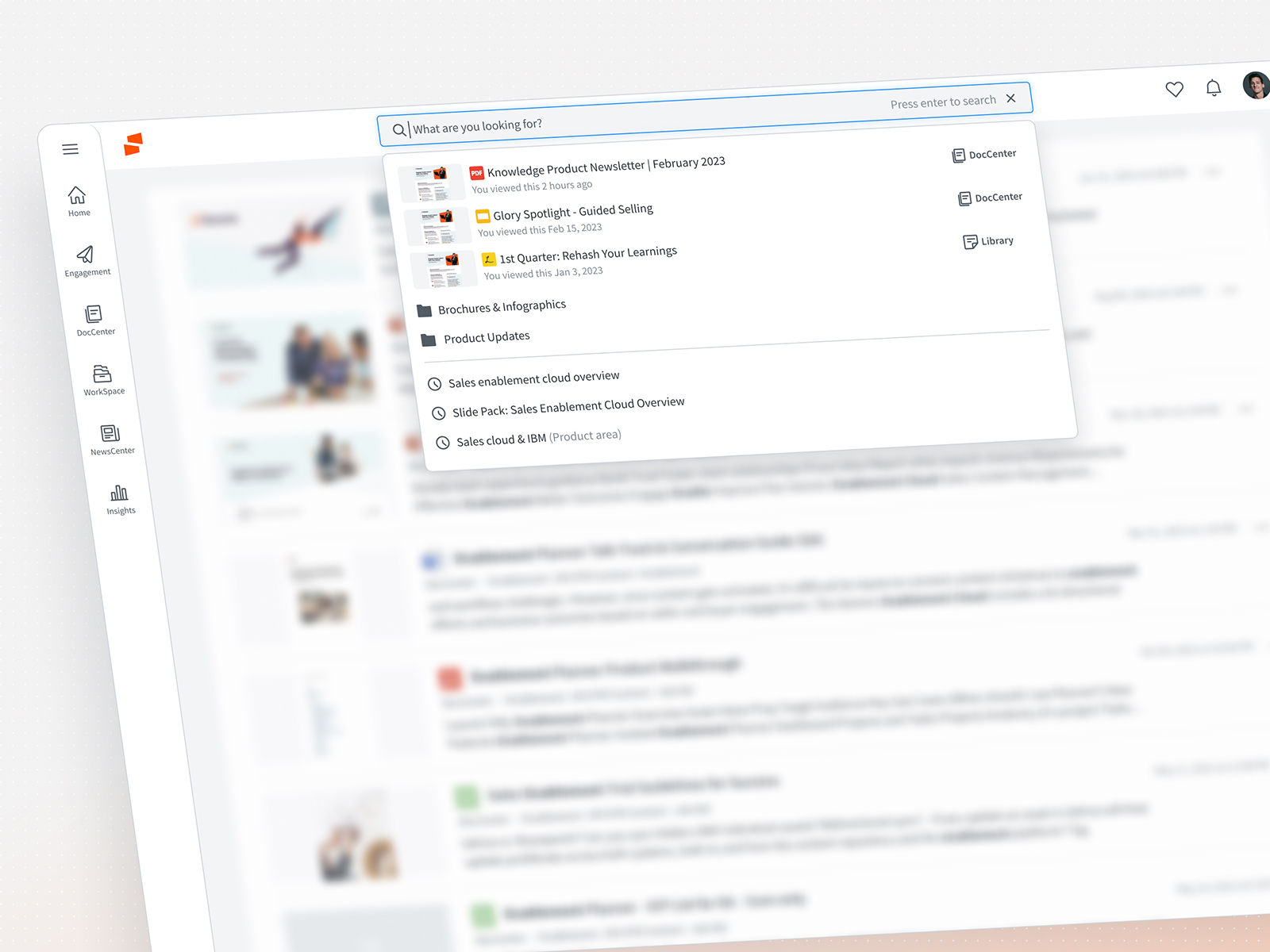
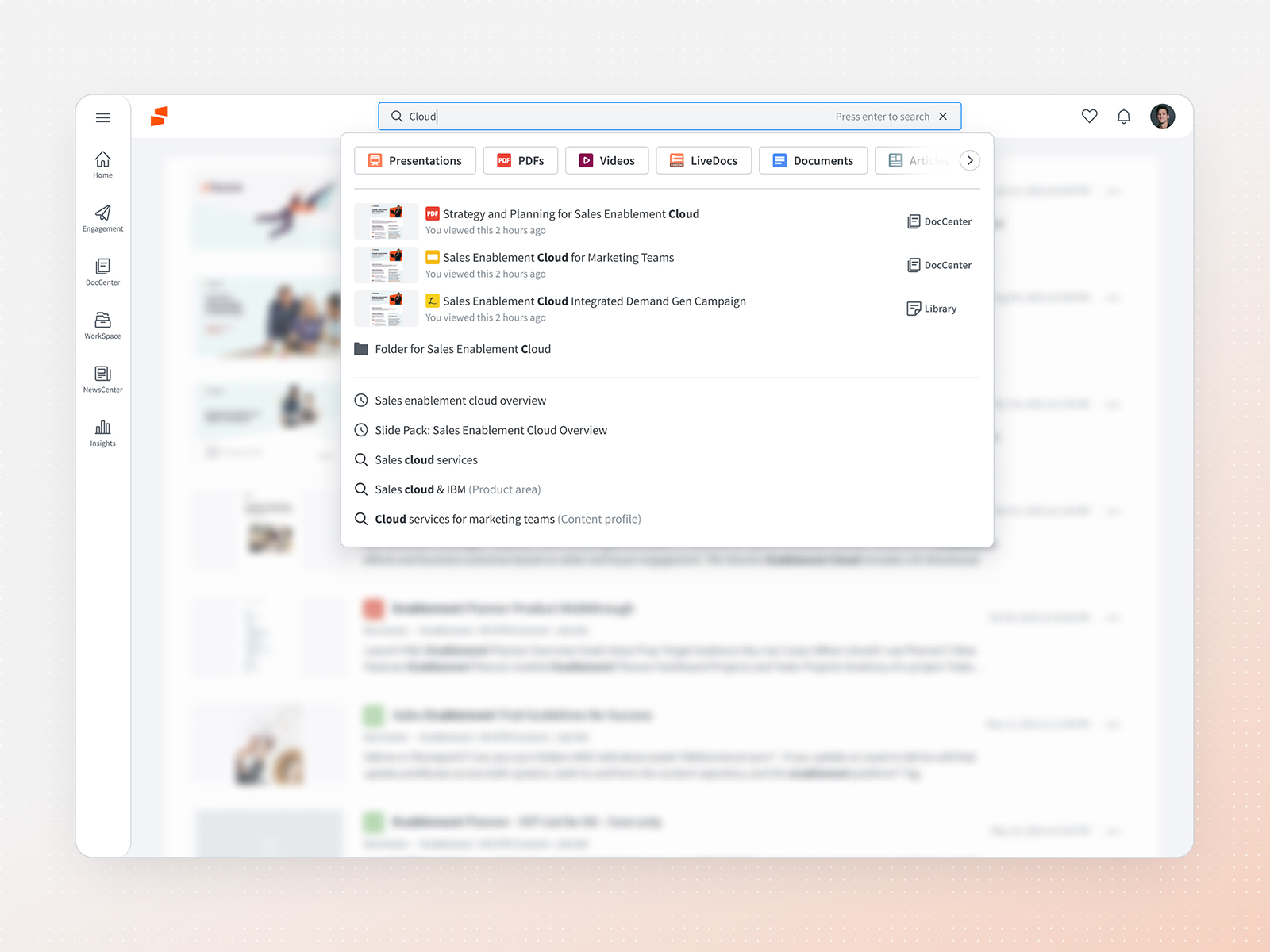
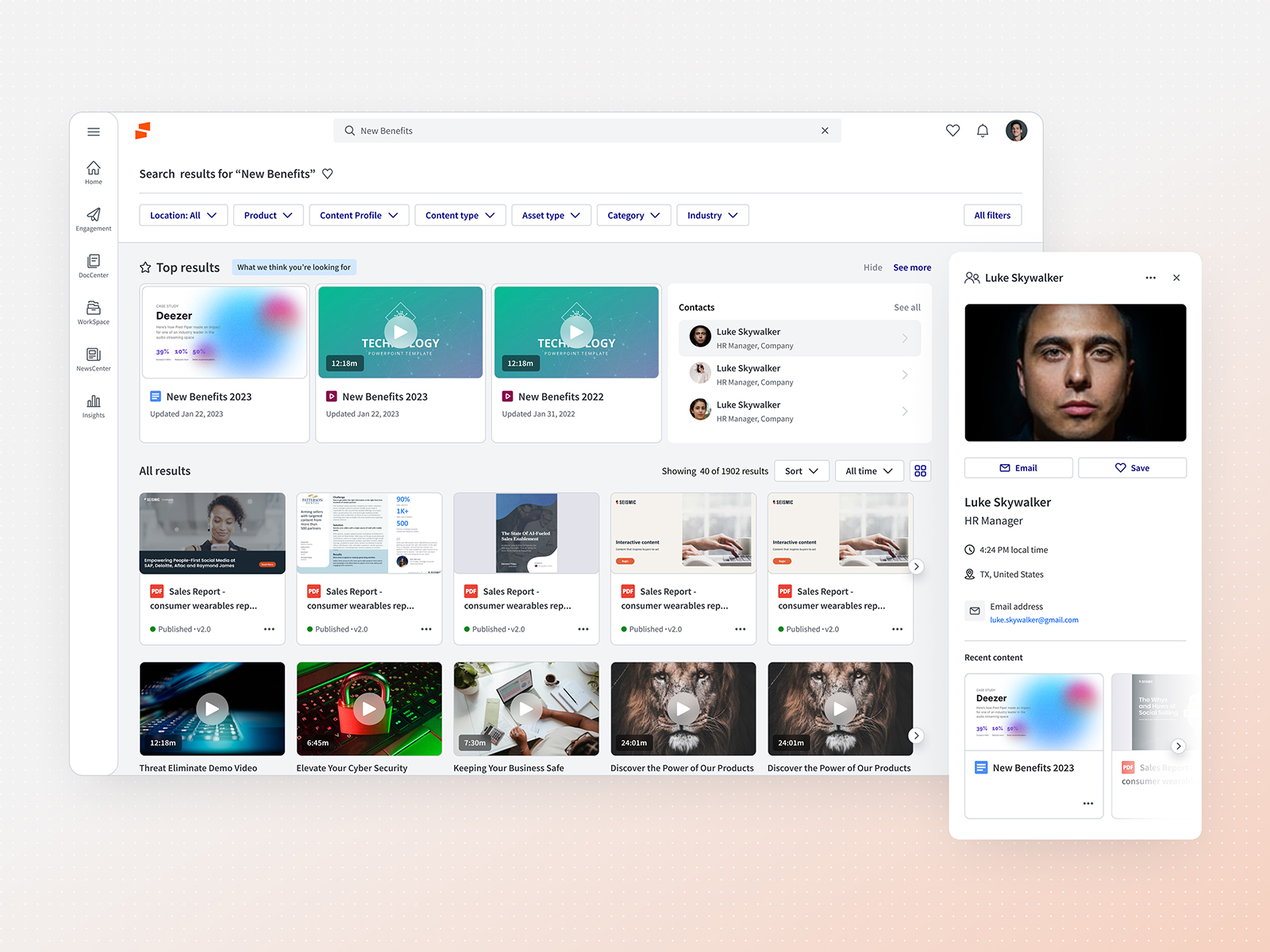
At Seismic, I led the redesign of their enterprise search experience - simplifying the UI, refining filter logic, and improving overall usability to help sales enablement teams find the right resources faster. I collaborated across product and engineering to support updates to their LLMs and integrate AI-powered contextual search, elevating both relevance and performance. Alongside this, I contributed directly to the company’s design system, delivering new components through rigorous design review cycles to support consistency and scalability across the platform.

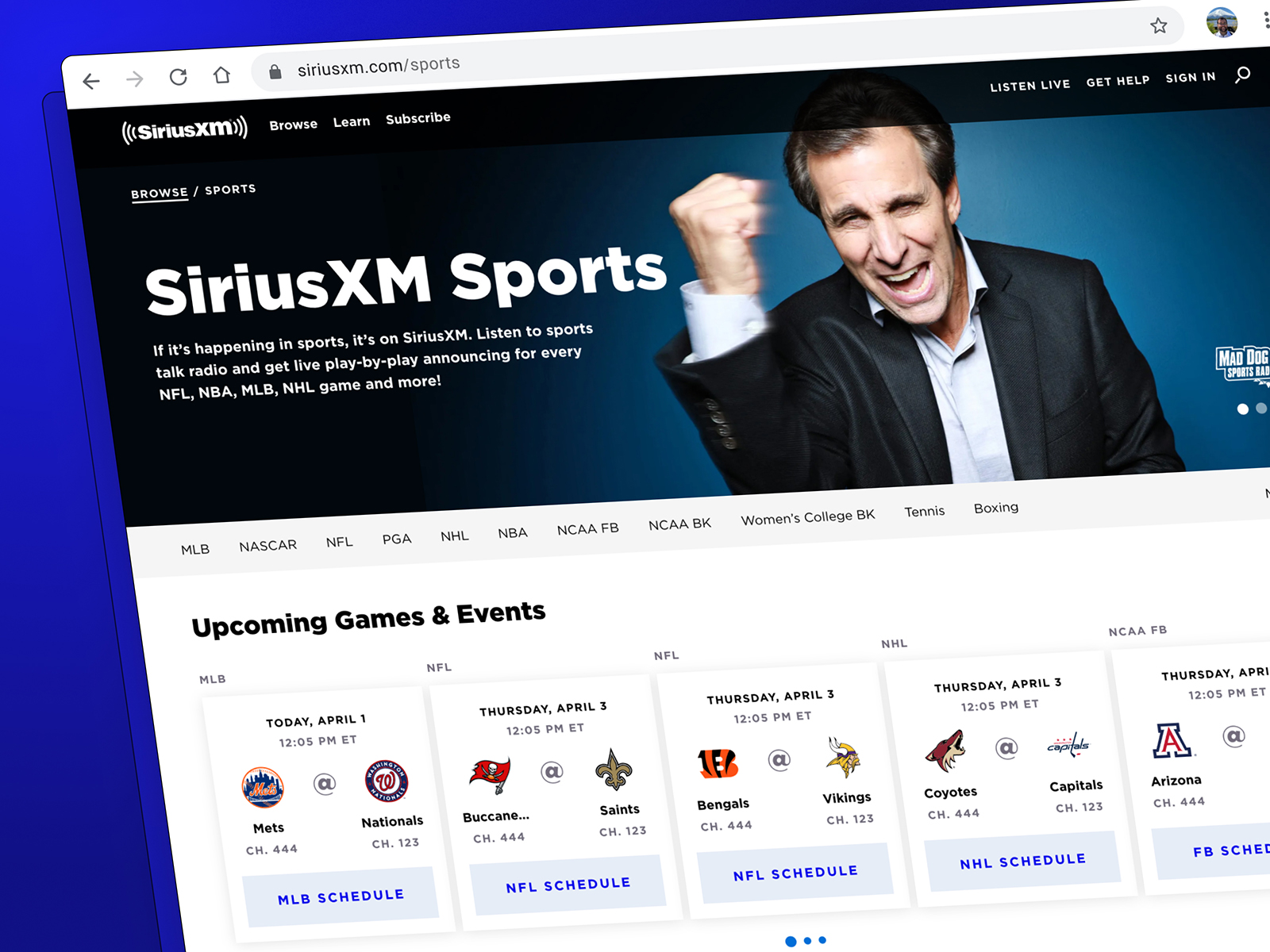
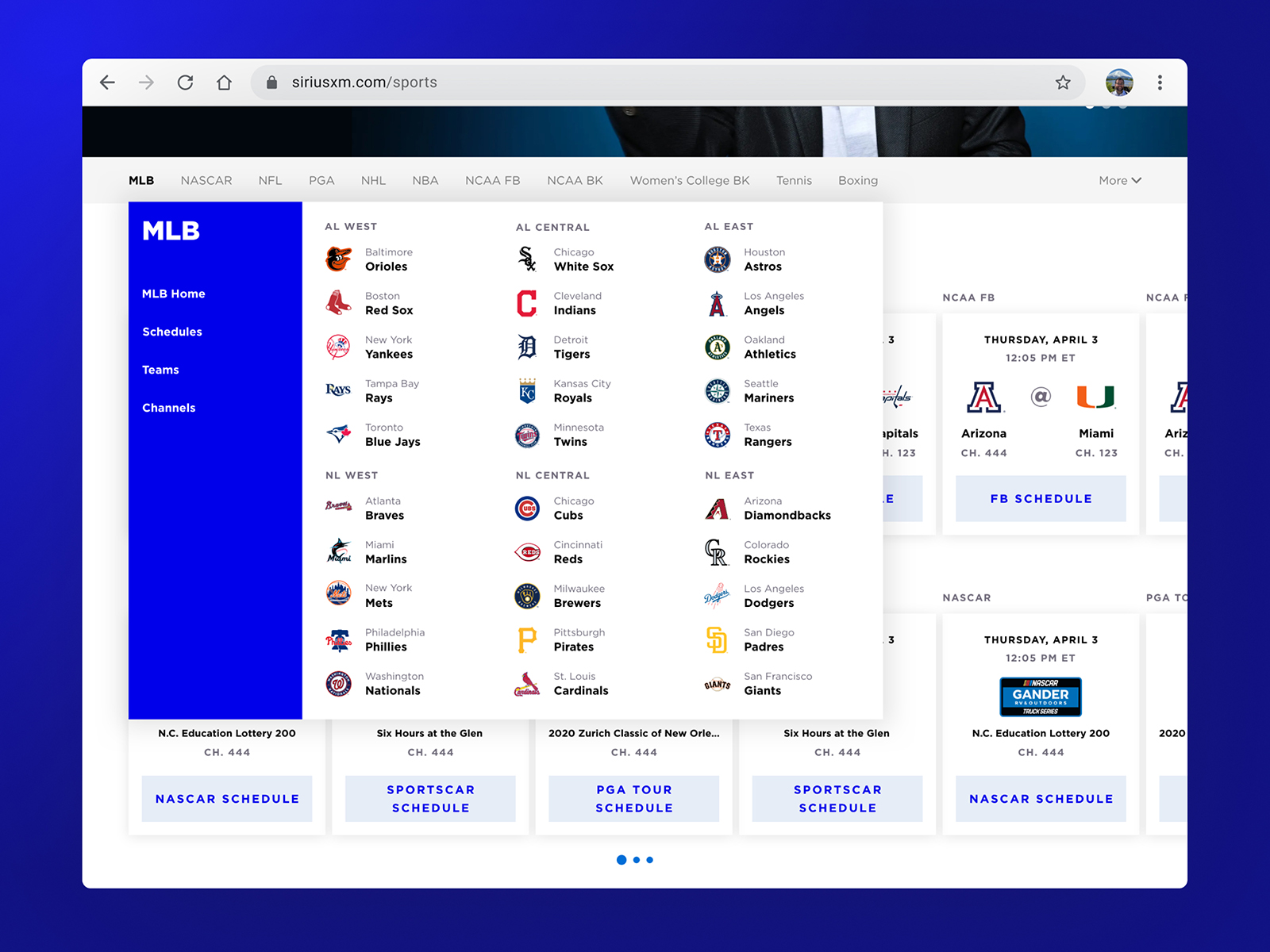
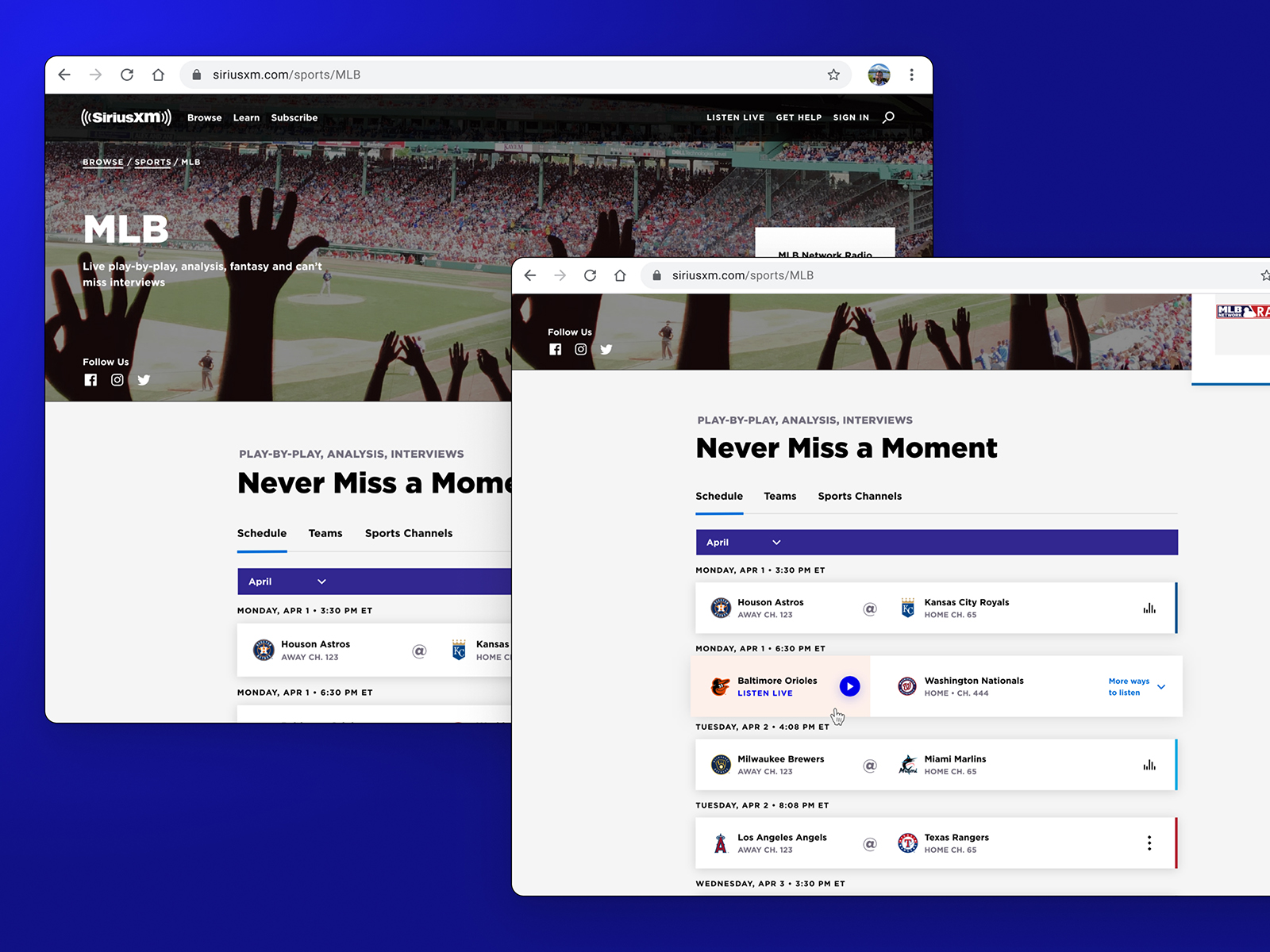
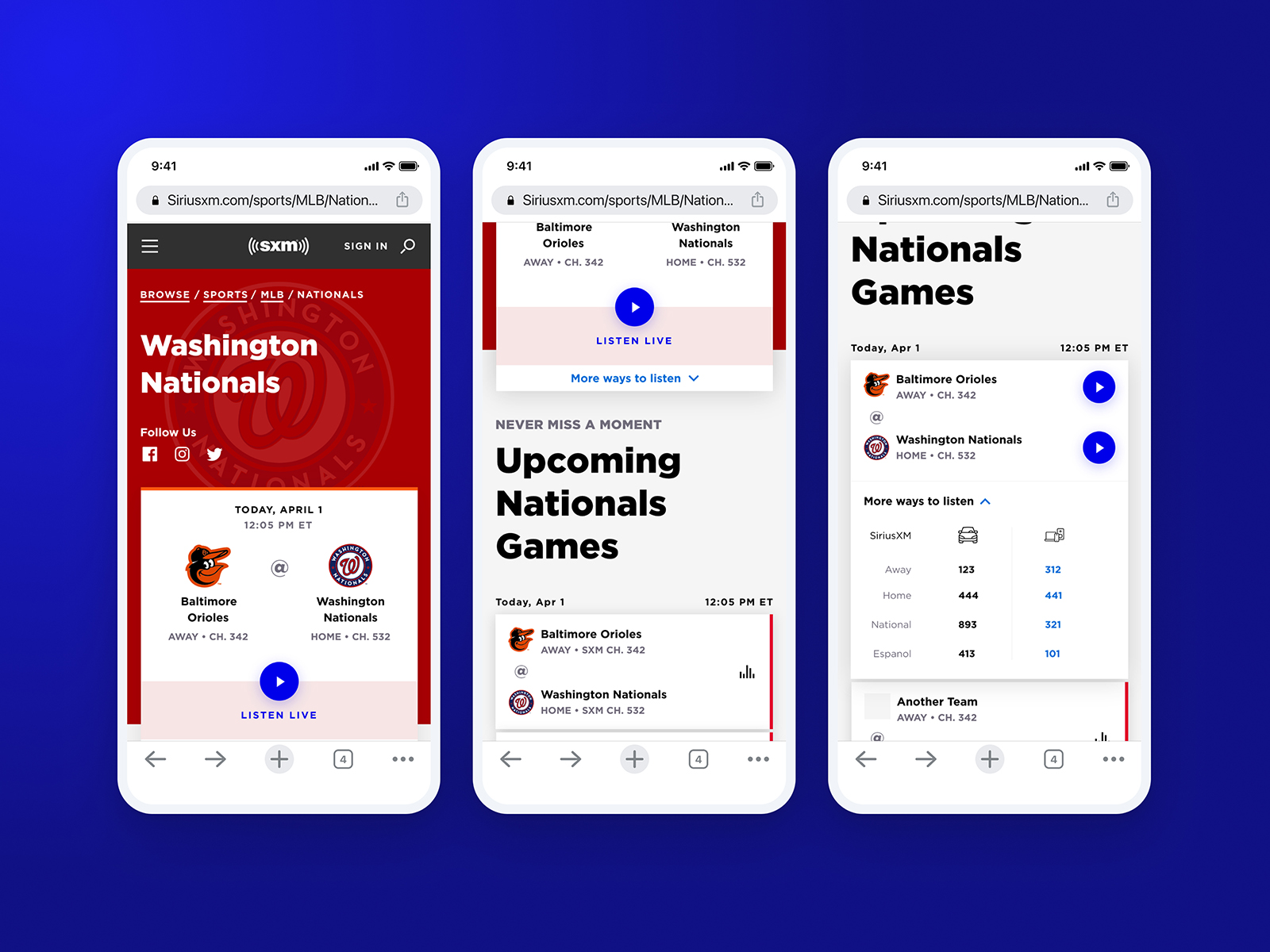
As a Senior Interaction Designer at SiriusXM, I led the high-visibility redesign of the streaming platform - used by over 30 million users monthly. Reporting directly to leadership, I worked closely across teams to ground design decisions in behavioral data and real user flows. In addition to reimagining how sports content is browsed and consumed, I contributed directly to SiriusXM’s design system, including the creation and documentation of core components like the secondary navigation element to ensure consistency at scale.
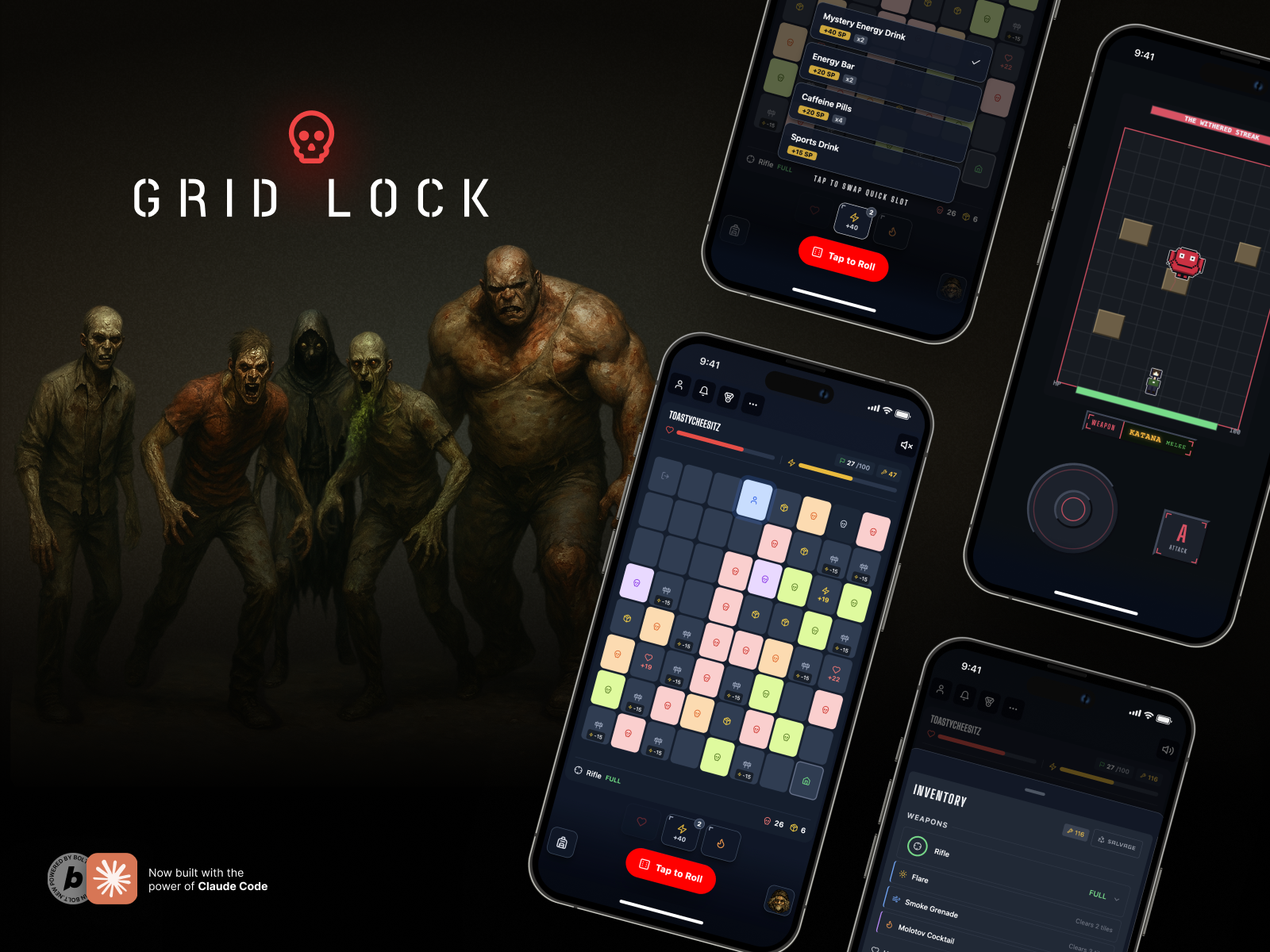
I designed and launched a turn-based survival game using Bolt in under 24 hours. Created mechanics, engagement loops, stamina/damage systems, enemy logic, internal mini-game for revives, and more. Shared publicly for feedback on Reddit and X, iterating rapidly with multiple UX enhancements in the first week, then growing it to 500+ players within the first month.
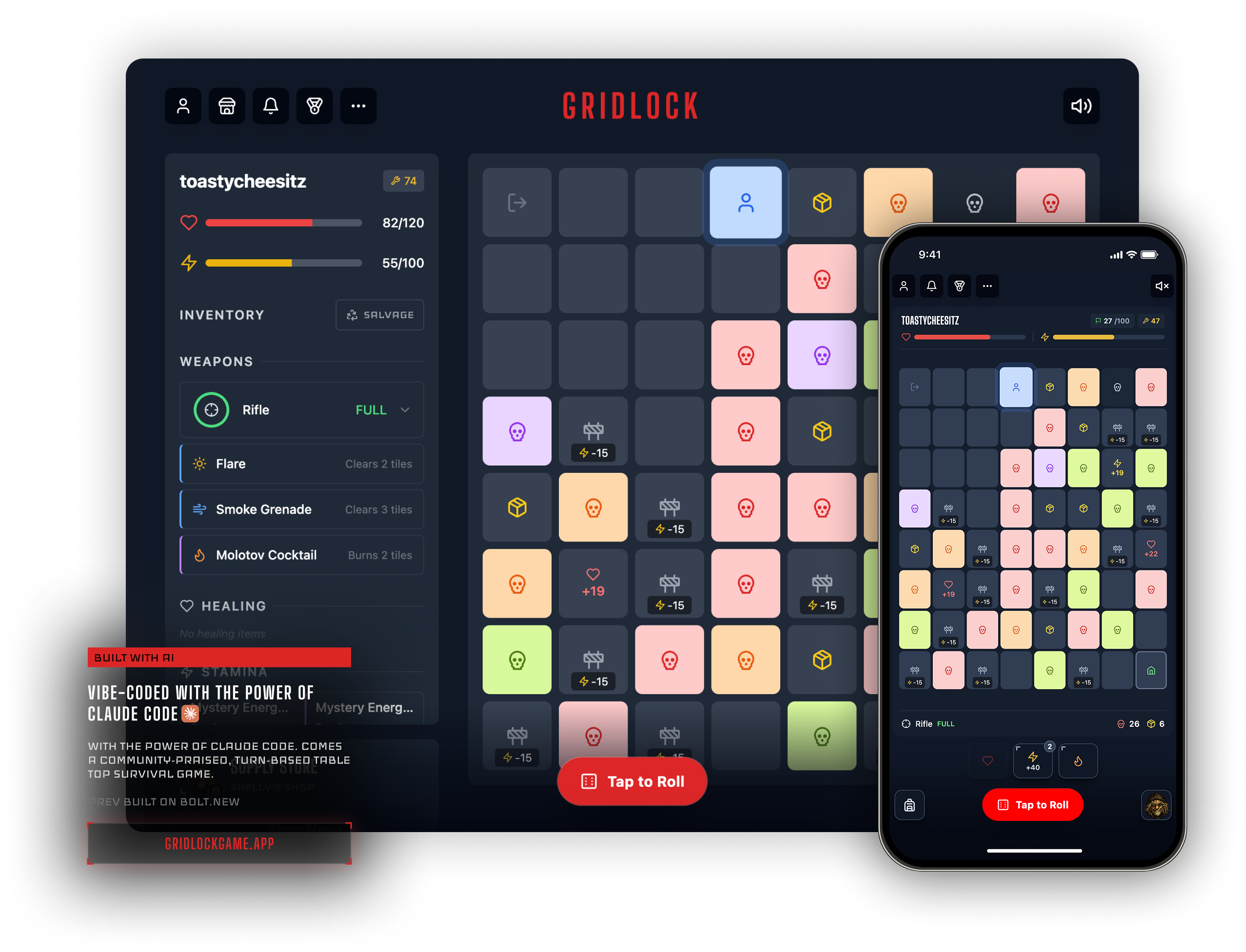
A turn-based zombie survival game for your phone. Roll the die, move across the grid, gather resources and make it to the safe house before the horde gets you. Easy to pick up, with real strategy in every move.
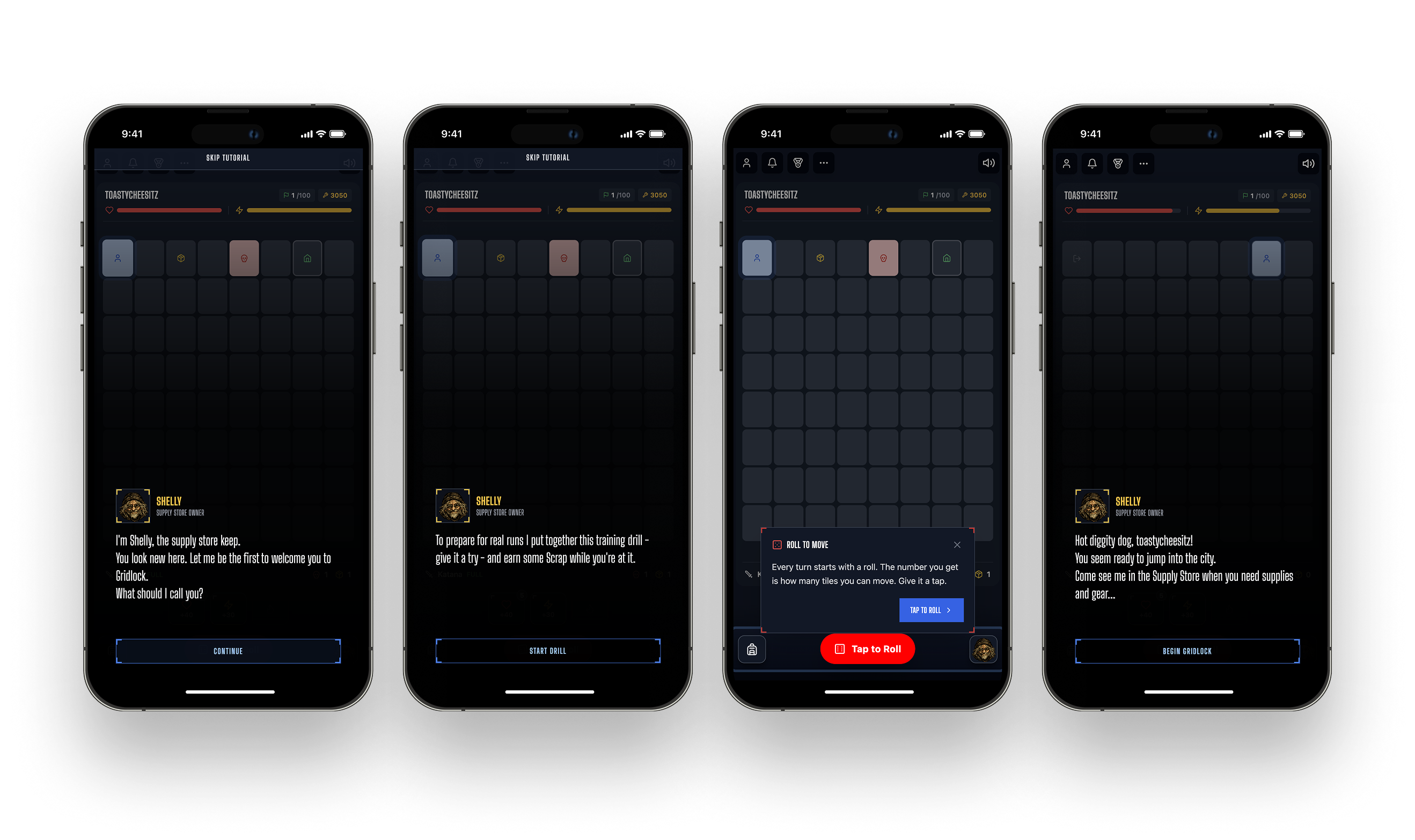
GRIDLOCK started as a Bolt.new prototype. In May 2026 I moved it to GitHub and redefined it with Claude Code. What began as a working prototype grew into a full game: player accounts and live leaderboards, a Raids mini-game mode, a gamified tutorial, an in-app activity center, boss-style hit effects and a tuned economy for loot and rewards.
The hardest part was balance. Stamina-based movement, rarity-weighted loot and per-level scaling all pull on each other. I tuned them through constant playtesting, for example rebalancing raid rewards on a curve so early runs feel generous without breaking the late game.
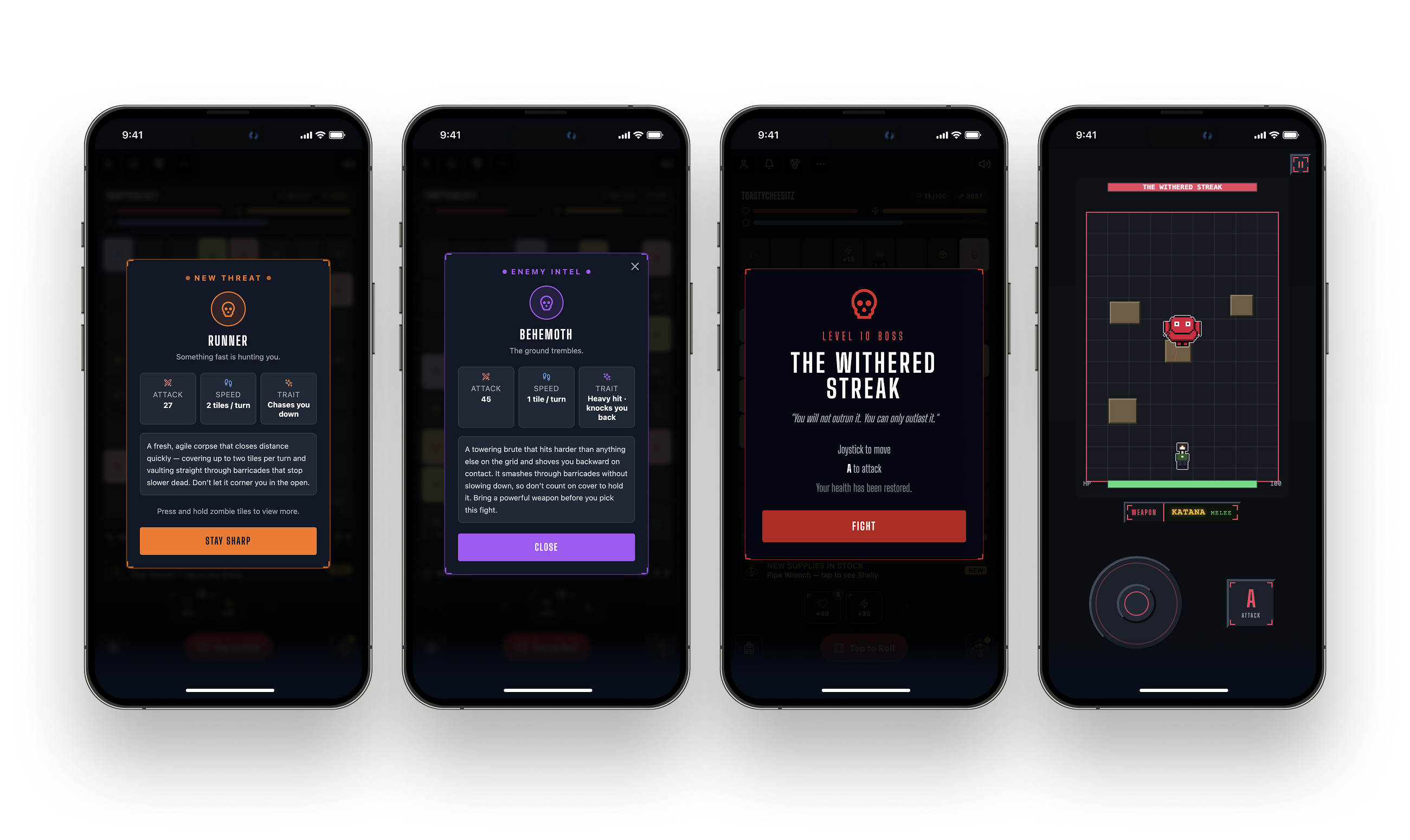
GRIDLOCK ships as a progressive web app at gridlockgame.app, so it installs to your home screen and plays like a native app without an app store. Sharing it on LinkedIn in mid-2025 drove a spike of nearly 1,000 players, still its biggest source of new players after direct visits.
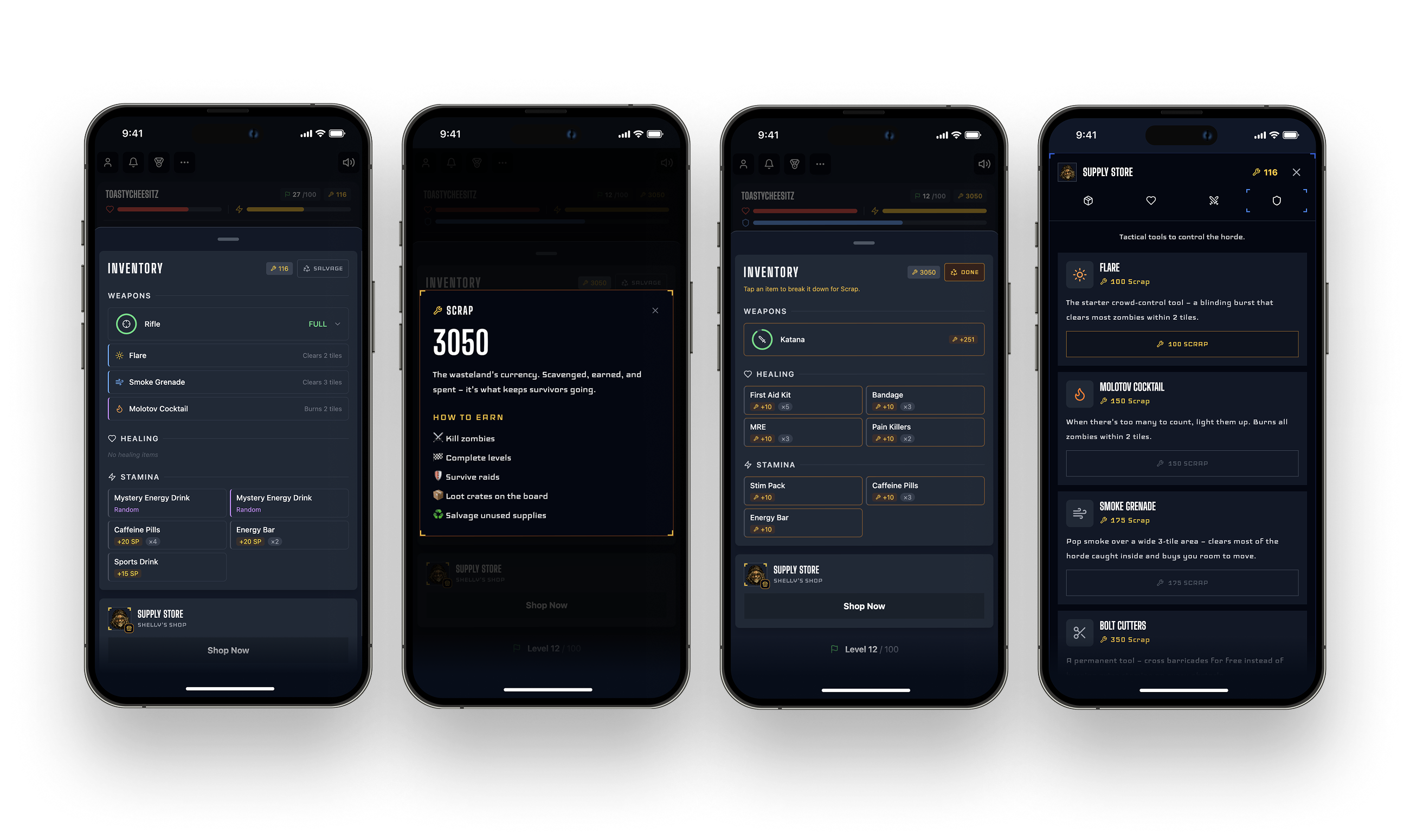
The LinkedIn spike brought a wave of curious first-timers. Since the Claude Code rebuild, the audience is smaller but far more engaged: players now stay almost twice as long.
Working this way, I can act as designer, product owner and engineering lead at once. I spend my time on what makes the game fun and let Claude Code handle the heavy lifting.
Inside the game
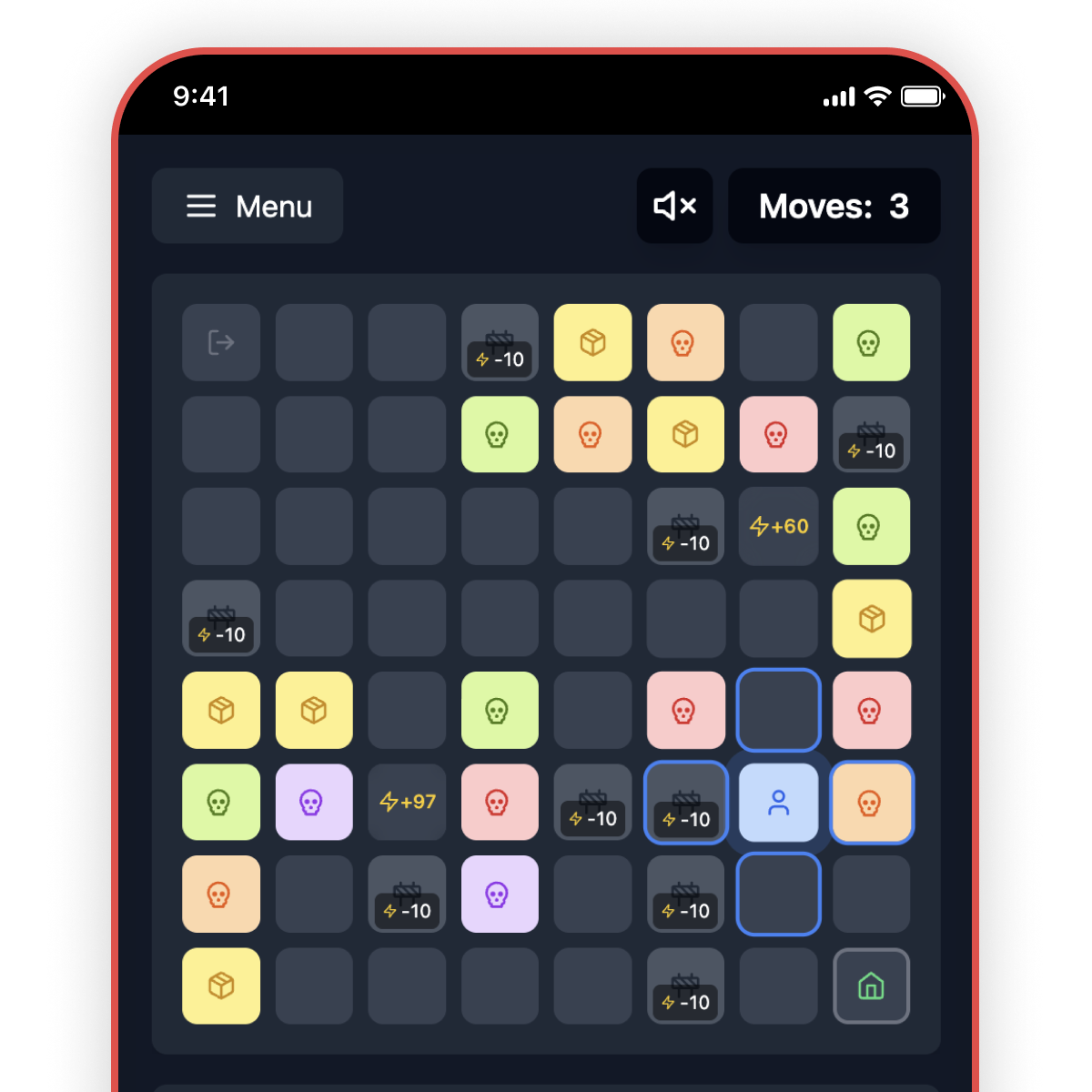
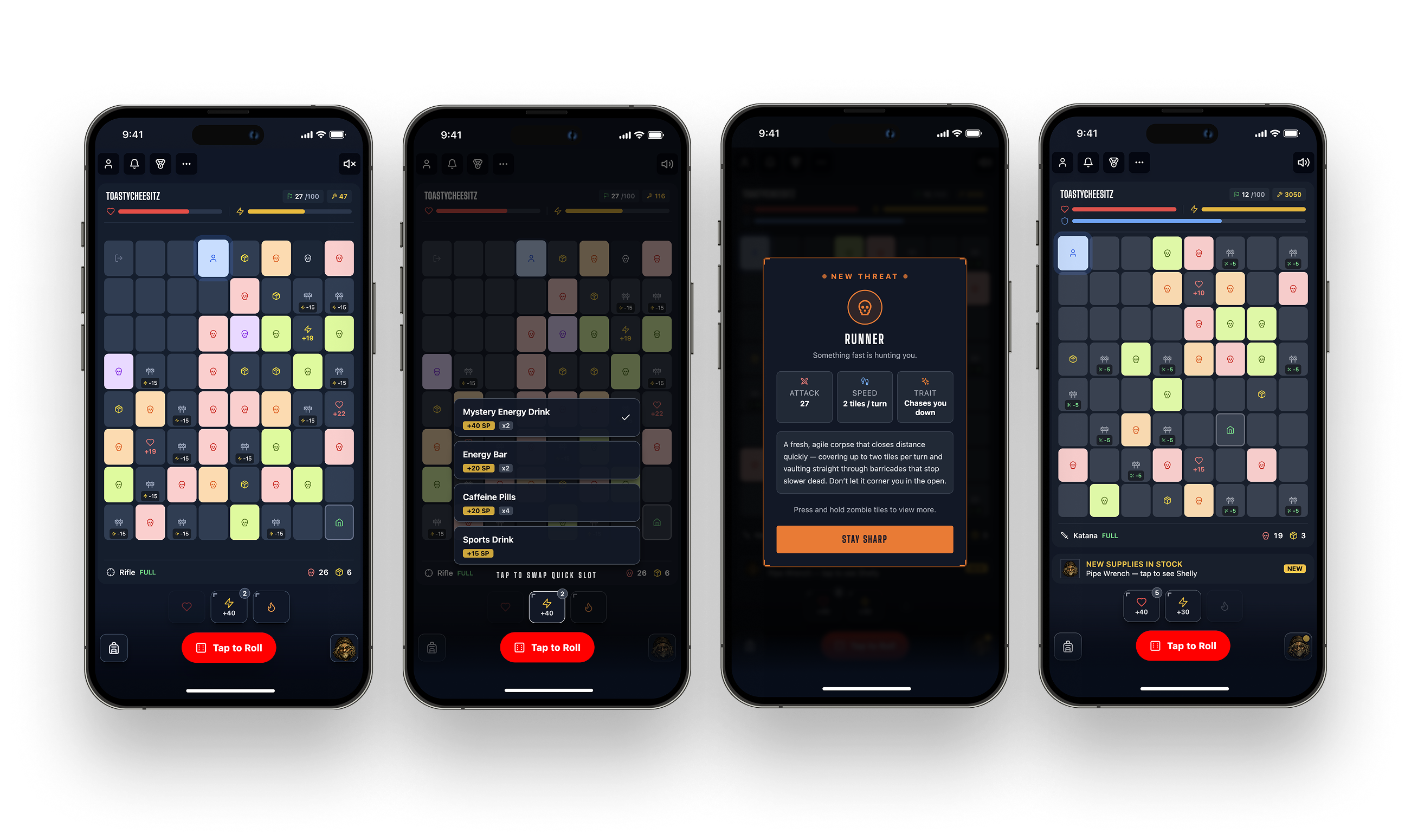
Procedurally generated levels, enemy spawns, and loot drops ensure fresh challenges every time you play.
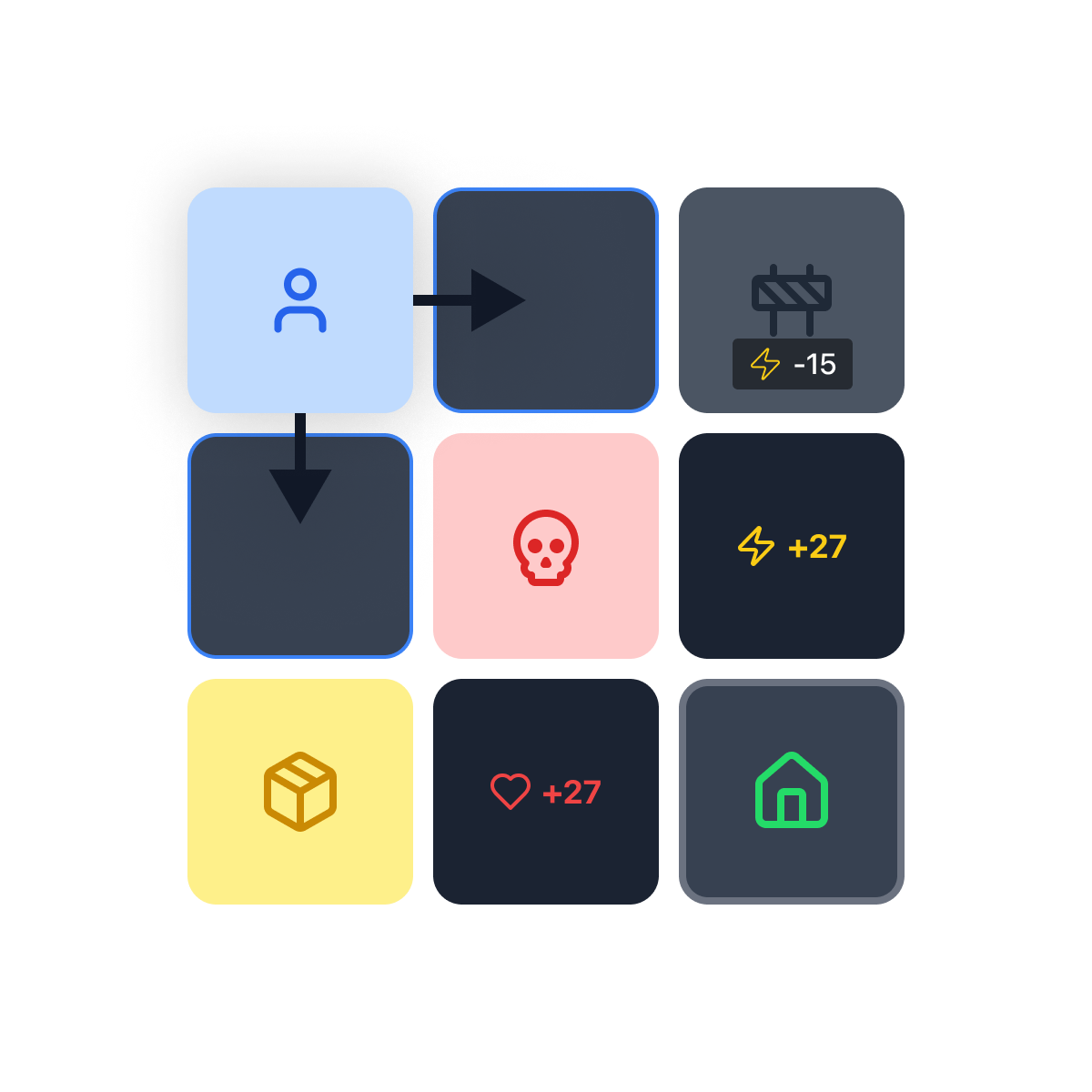
Stamina-based movement and obstacle penalties. Luck sets the roll, but strategy decides the run.
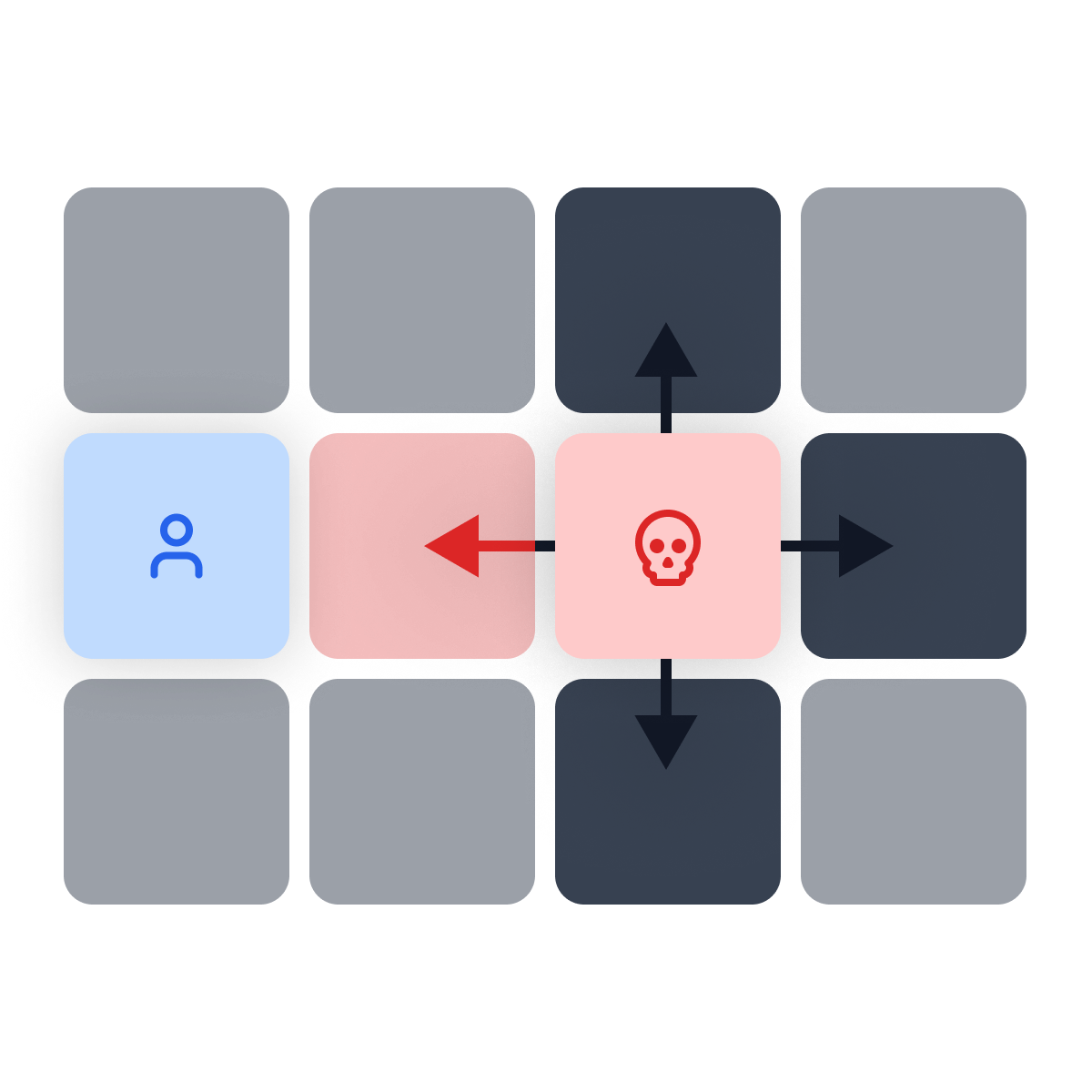
Enemies use context-aware behavior, adapting to player position, tile layout, and level difficulty.
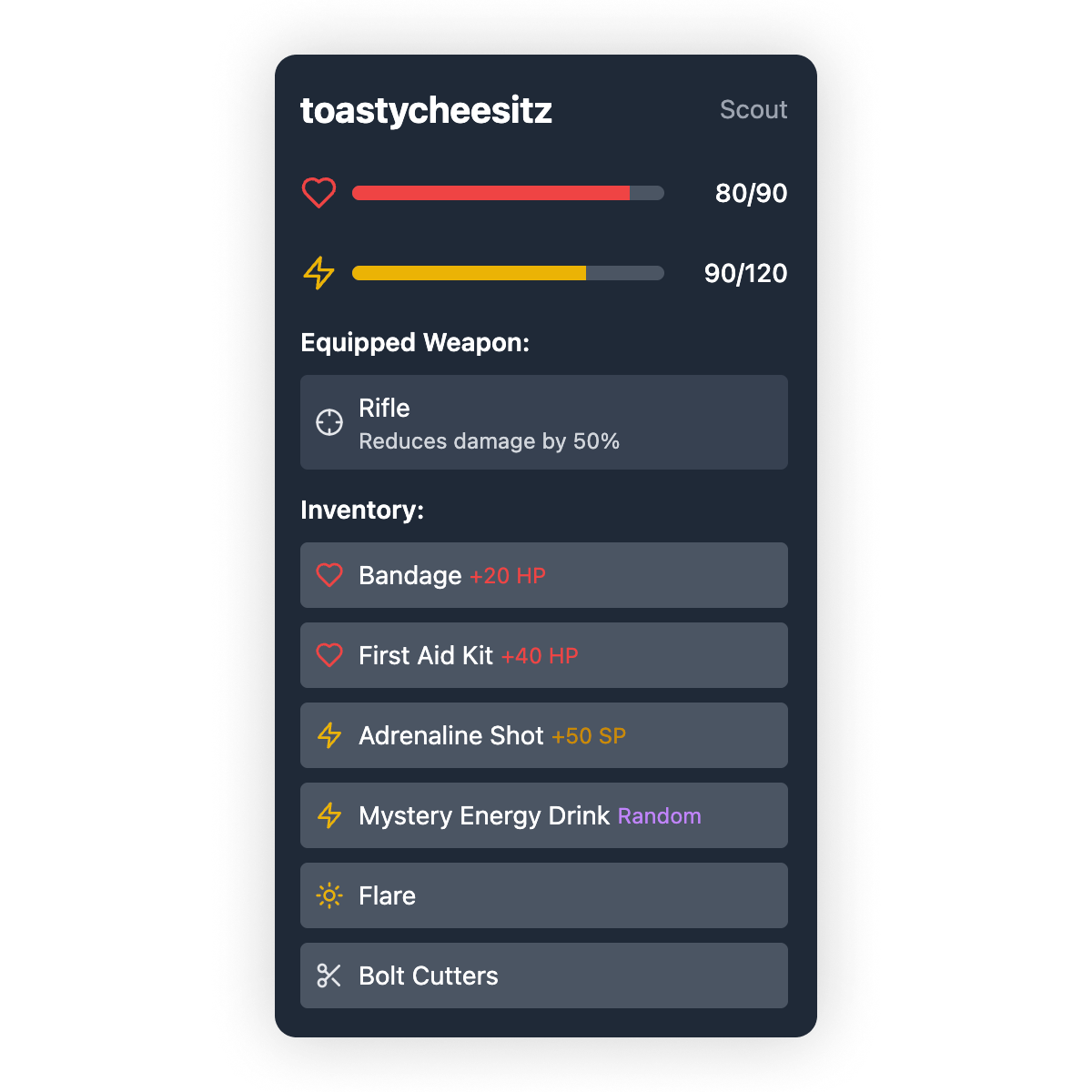
Item rarity and utility are finely tuned. One item can save a run — or seal your fate.
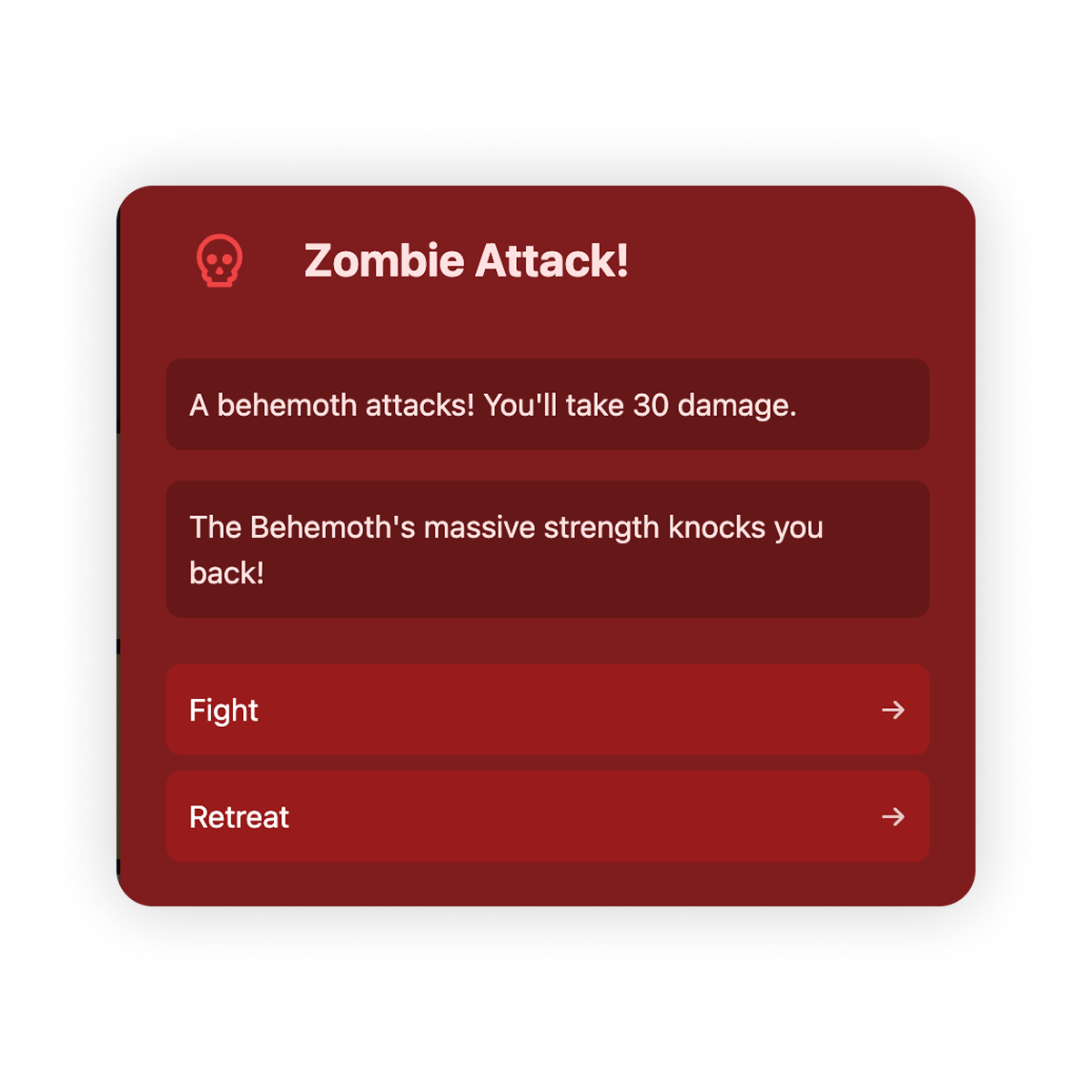
Health, loot, and zombie damage scale per level, with rarity-weighted drops and visual tile cues.

Achievements aren’t just badges — they shape playstyles, reward risk, and drive replayability.
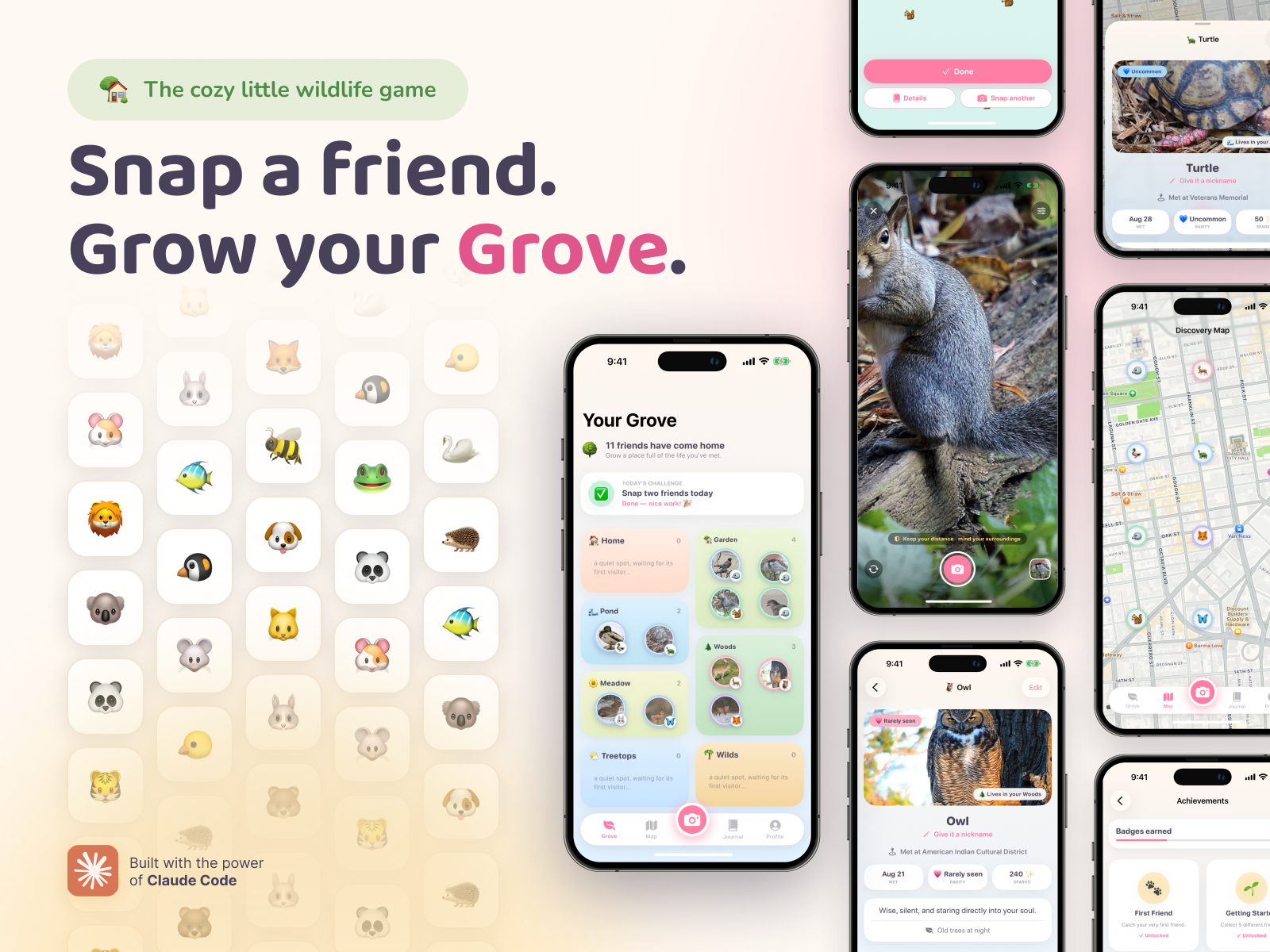
A cozy game I designed and shipped — a calm, restorative little world, now live on the App Store. Play it at grovegame.app.
Grove is a cozy wildlife game for iPhone. Photograph the animals you meet in real life, and they come home to your Grove, a little world that fills up as you explore. It's made to get people outside and noticing the life around them.
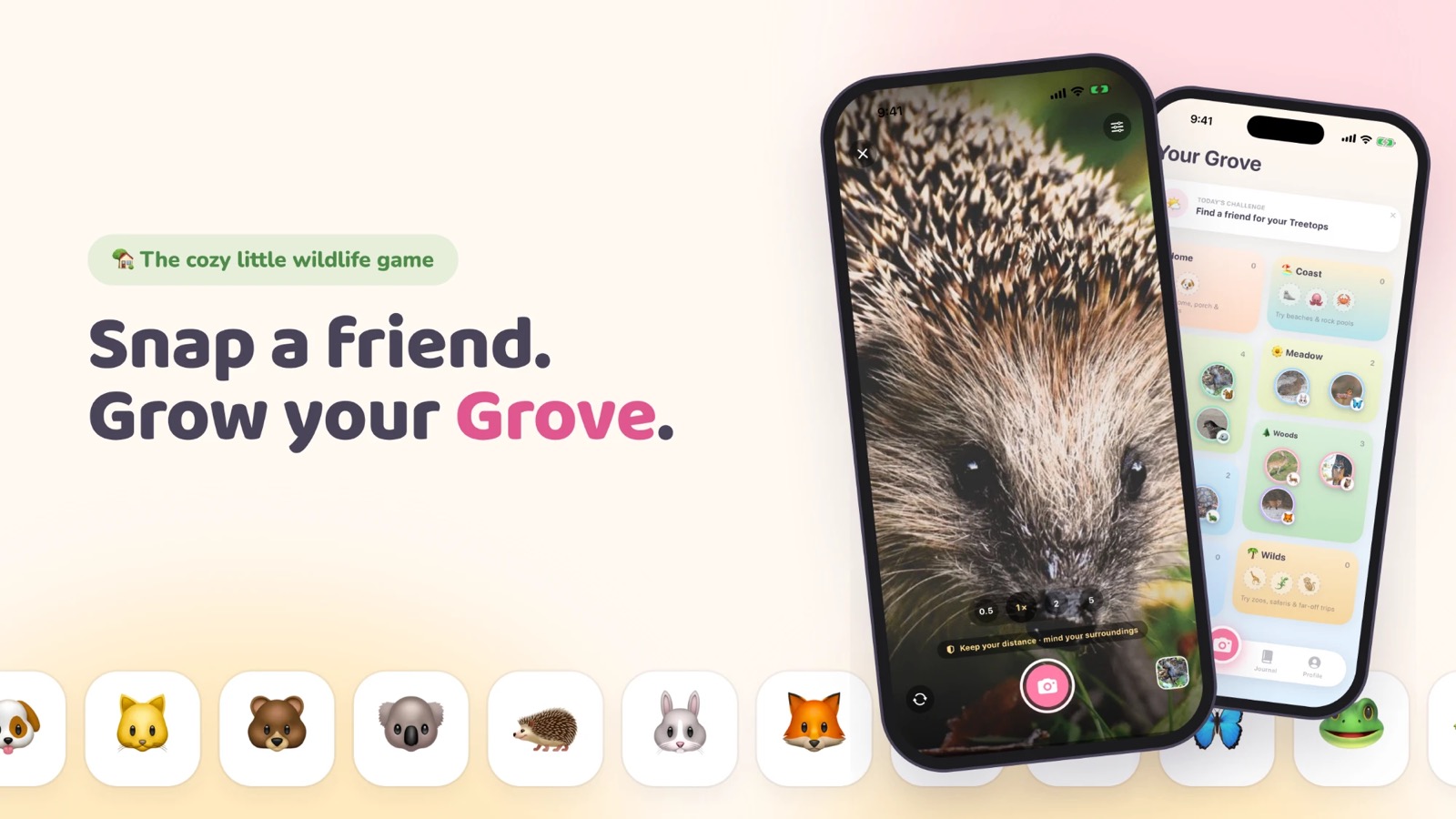
Spot an animal, snap it (or pick a photo from your library) and it settles into its habitat zone: the Garden, the Pond, the Woods, the Treetops and more. Each friend gets a field-guide page with your photos, its real name and the nickname you give it. Daily streaks, achievements, a discovery map and five rarity levels keep you coming back.
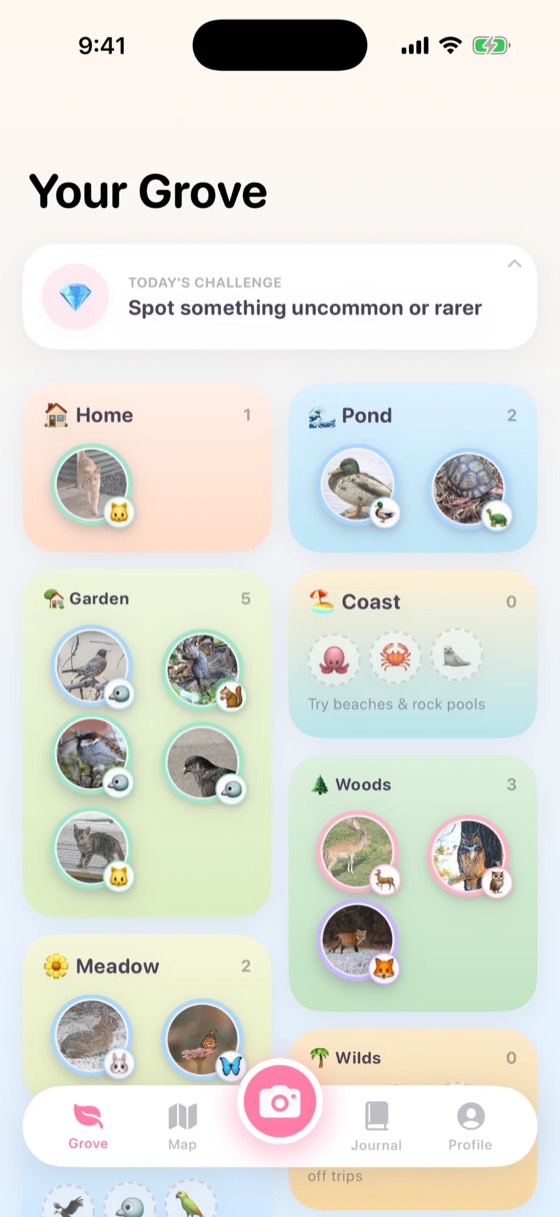
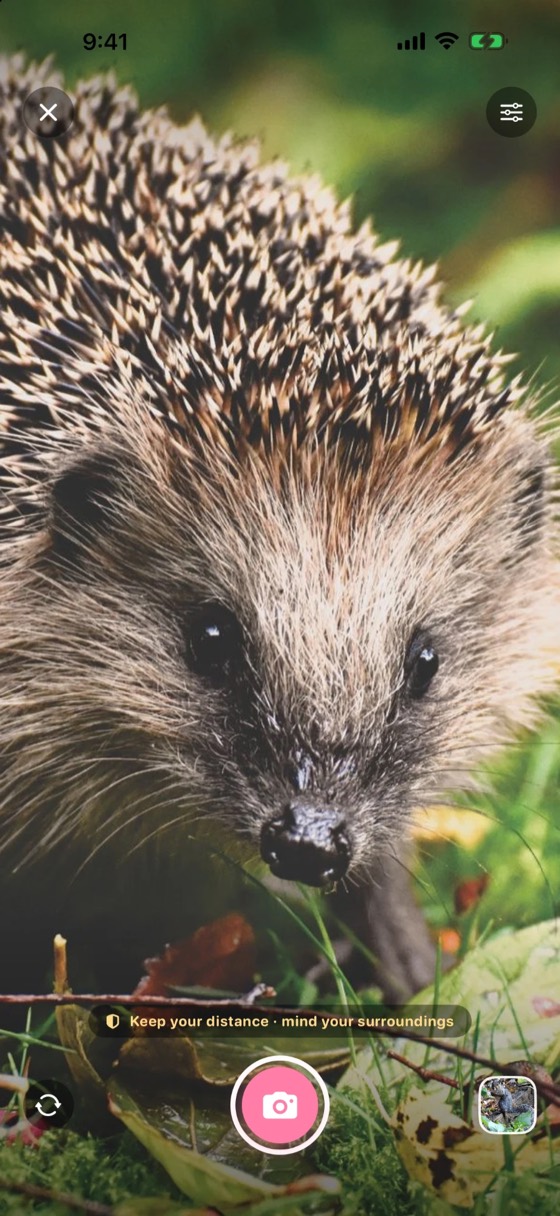
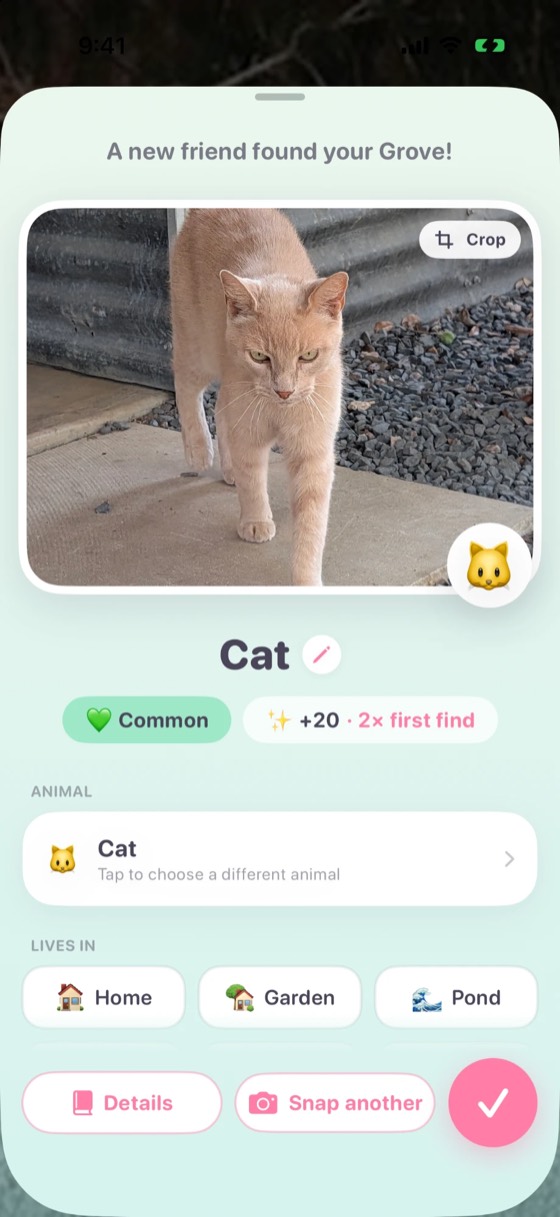
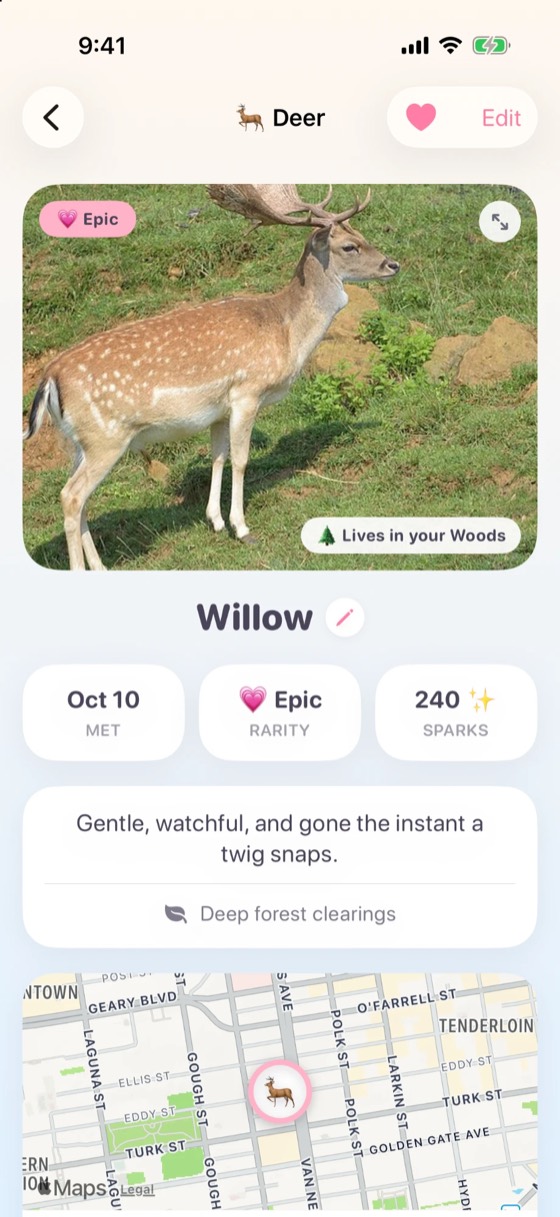
Grove launched live-camera only, so every catch meant you were really there. Early players told me that when they only had a moment, they'd grab the shot with their regular camera and then want to add it to their Grove later. So in 1.3 I opened it up to any photo in your library, from any date. I also tested on-device image recognition, but it wasn't reliable enough to be fun. Instead, you name each friend yourself from a searchable catalog, and every snap feels rewarding even before you name it.
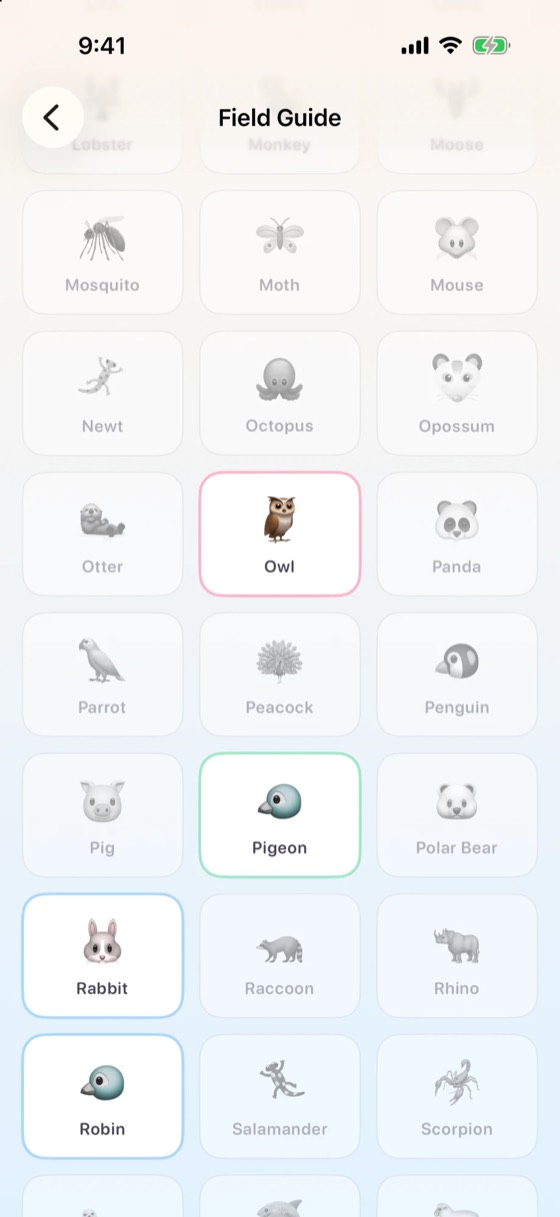
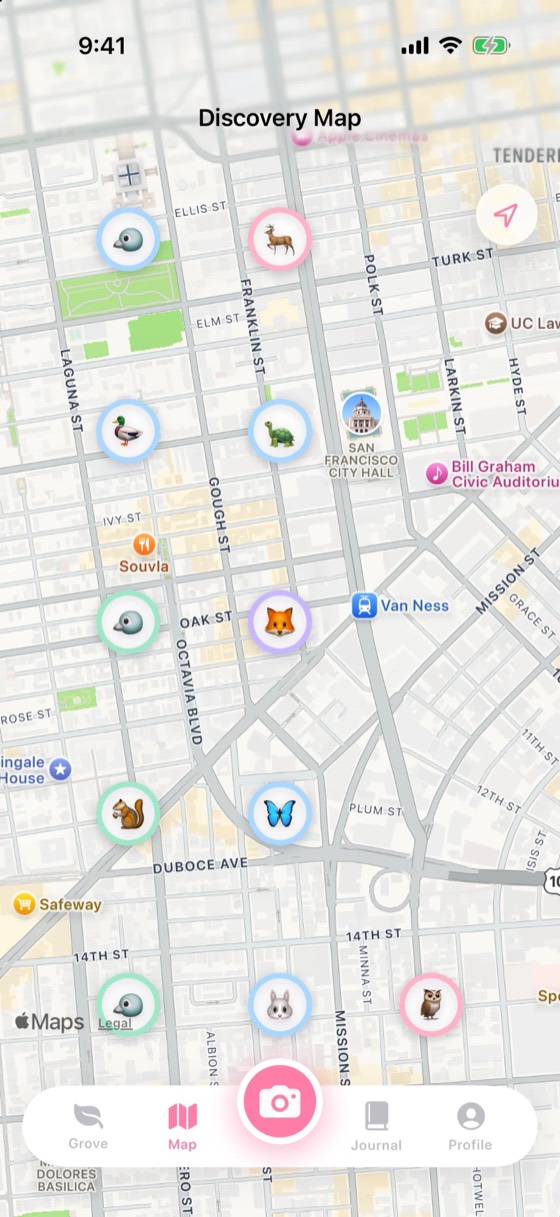
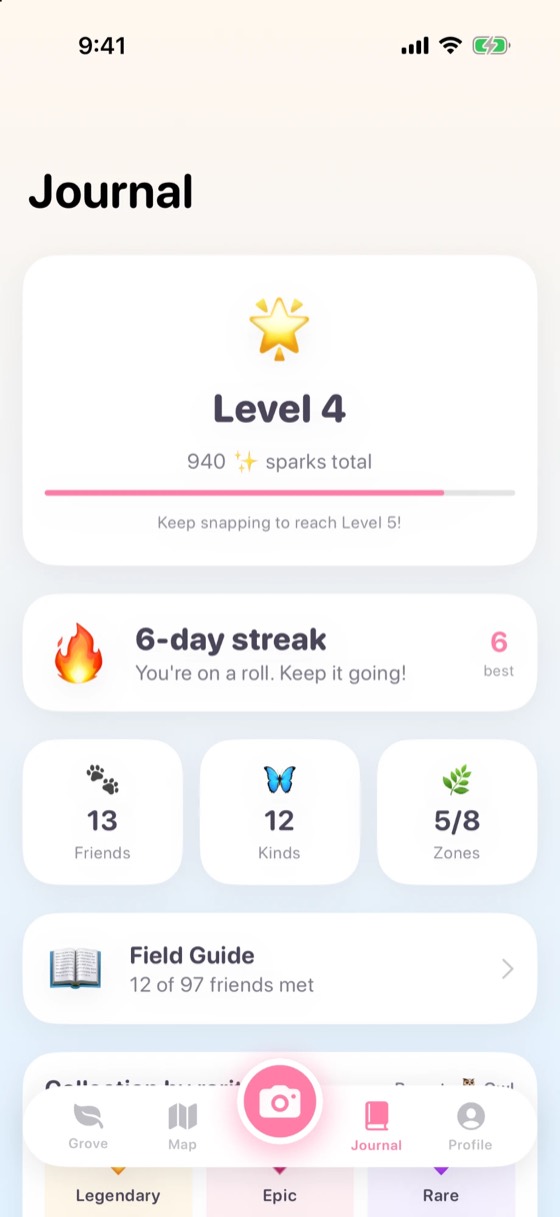
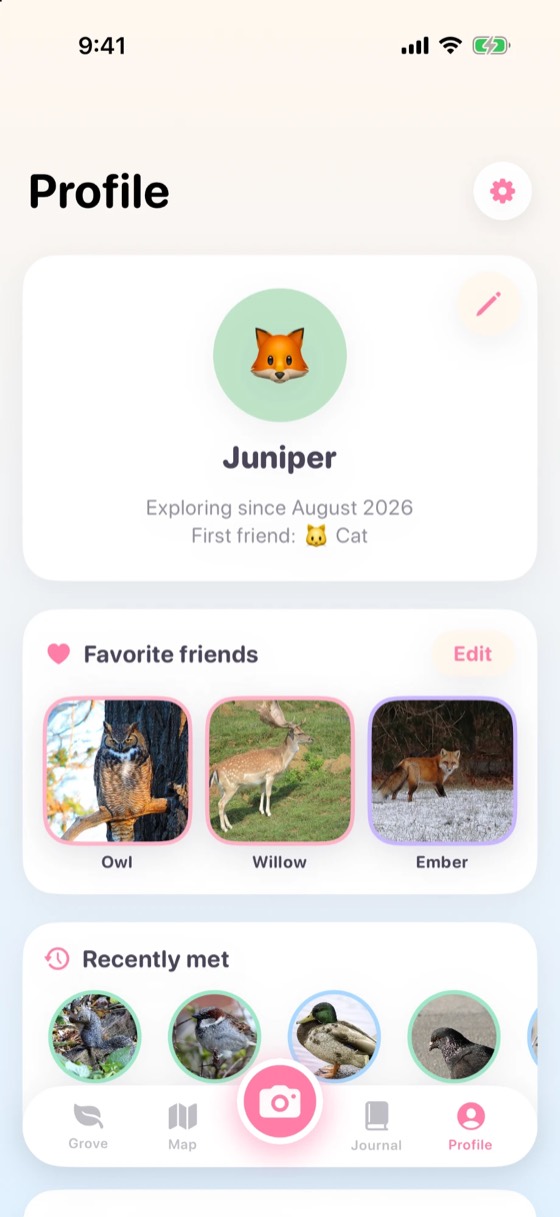
Grove is 100% native SwiftUI, built with Claude Code from the first commit. There's no backend and no accounts; your Grove lives on your phone, with optional iCloud backup. It went from first commit to the App Store in about six weeks, launching in September 2026, and has shipped steady updates since.
Shipping a native iOS app as a designer used to be out of reach. With Claude Code I could own every detail, from the onboarding and notifications to custom art for the animals, and keep shipping updates based on how people actually play.
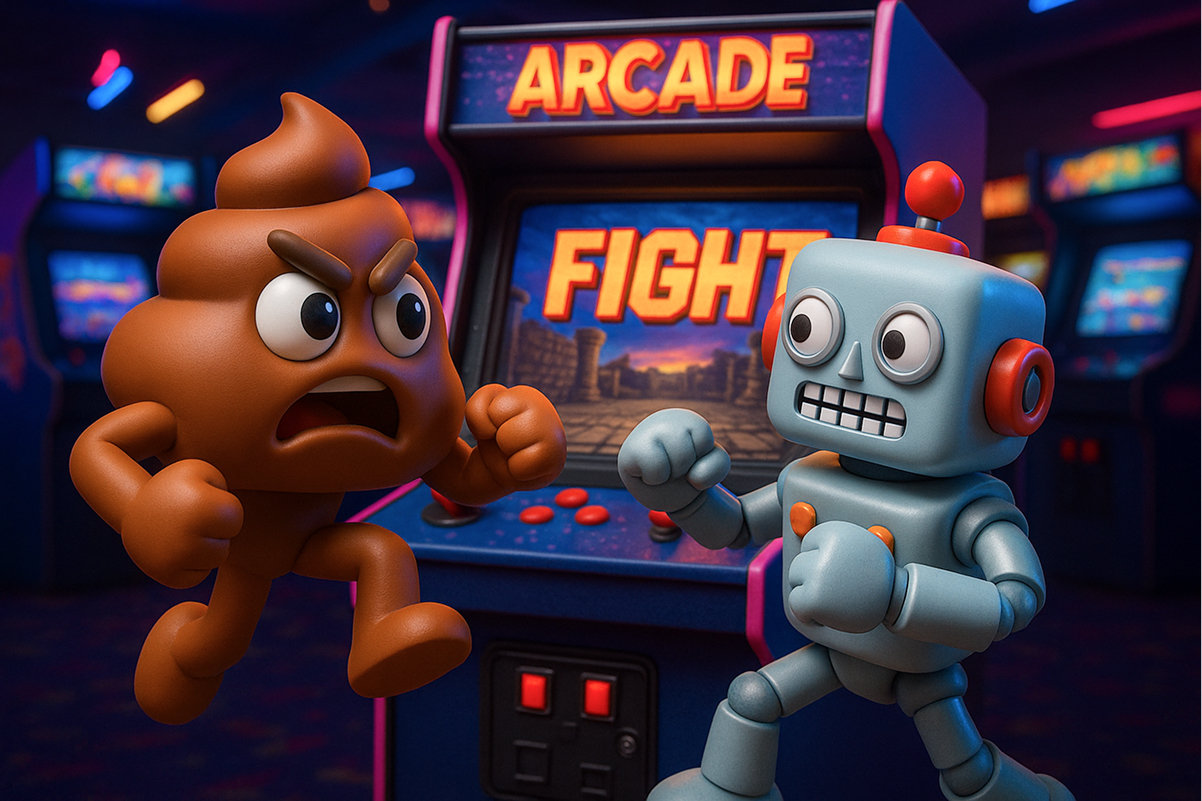
A fighting game built with AI-assisted development, where you play as your favorite emoji characters — quick, chaotic, and fun.
A simple question: what if the emoji we send every day could fight? Emoji Fighter is a mobile-first arcade brawler where you pick an emoji and fight your way through a gauntlet of computer opponents, each level tougher than the last.
Matches are 1v1. A digital joystick handles moving and jumping, with buttons for light punch, heavy punch and a special that unlocks once it's charged. Every fighter has a signature special: Zombie throws brains, Cattitude unleashes scratches, Cluck Norris throws stars and feathers, Frost Byte throws ice and T-Rex throws bones.
The fighters are the emoji themselves. My work went into the mechanics: designing and refining the moves, combat and game feel. The hardest part was movement, especially jumping. A jump needs enough height and distance to clear your opponent, while still respecting physics, so it feels natural but still plays like a fighting game.
I first built it in Bolt.new about 1.5 years ago. That got a flat 2D version live with basic fighting, but no jumping, specials, music or sound effects. Recently I moved it to GitHub and reopened it in Claude Code. One prompt, “make this 3D,” and everything got dramatically better. From there I added jumping, specials, music and new fighting sound effects in Claude Code, with level artwork generated in OpenAI. It's a clear picture of how far AI models have come in a short time.
Players came mostly through direct links and LinkedIn. The 3D rebuild landed in late summer 2026, and players now stay over 3.5× longer and do twice as much, even with fewer new visitors this year. Next, I'm gathering player feedback to decide what to improve.
Prototyping in code changes how I design: testing ideas by playing them beats debating mockups.
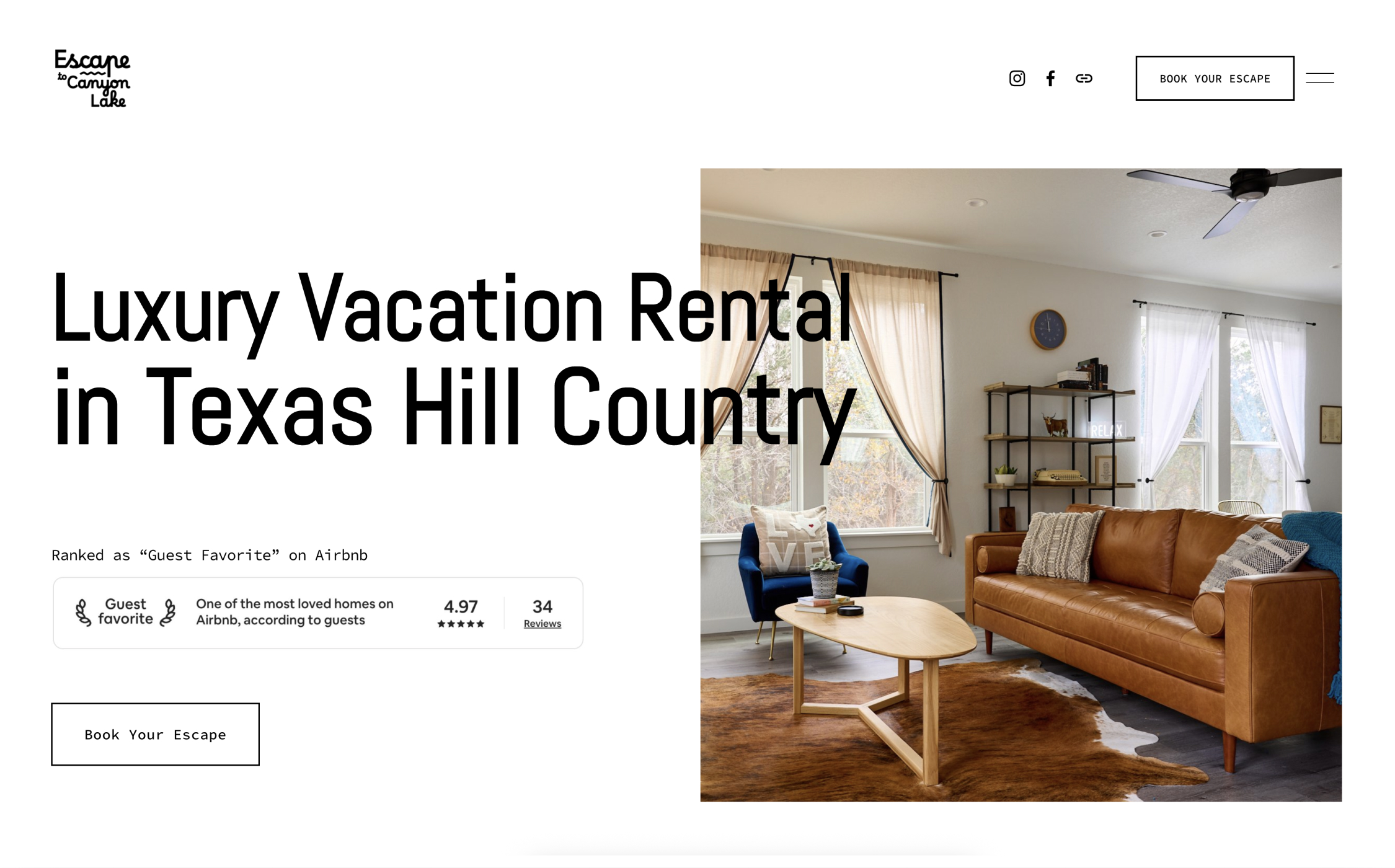
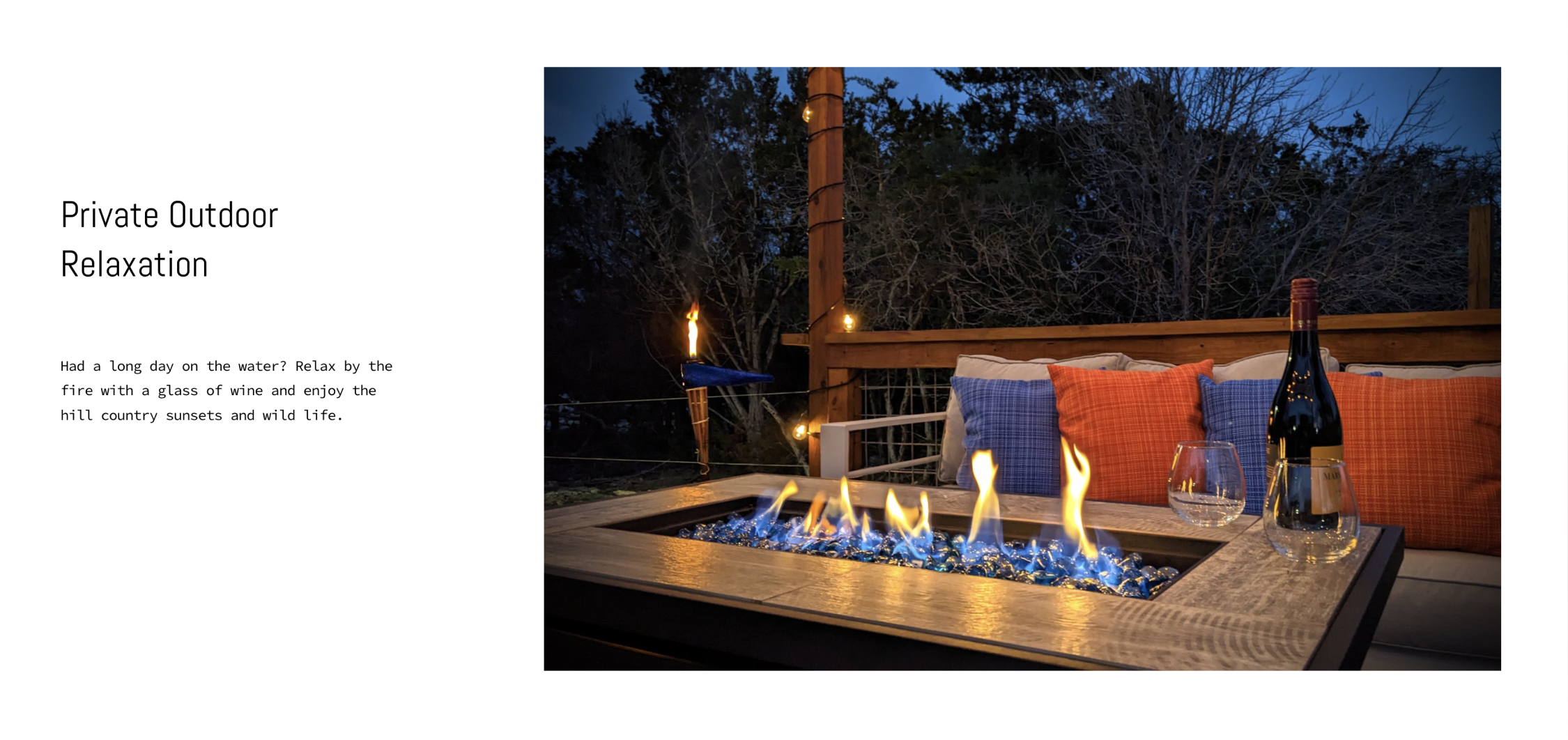
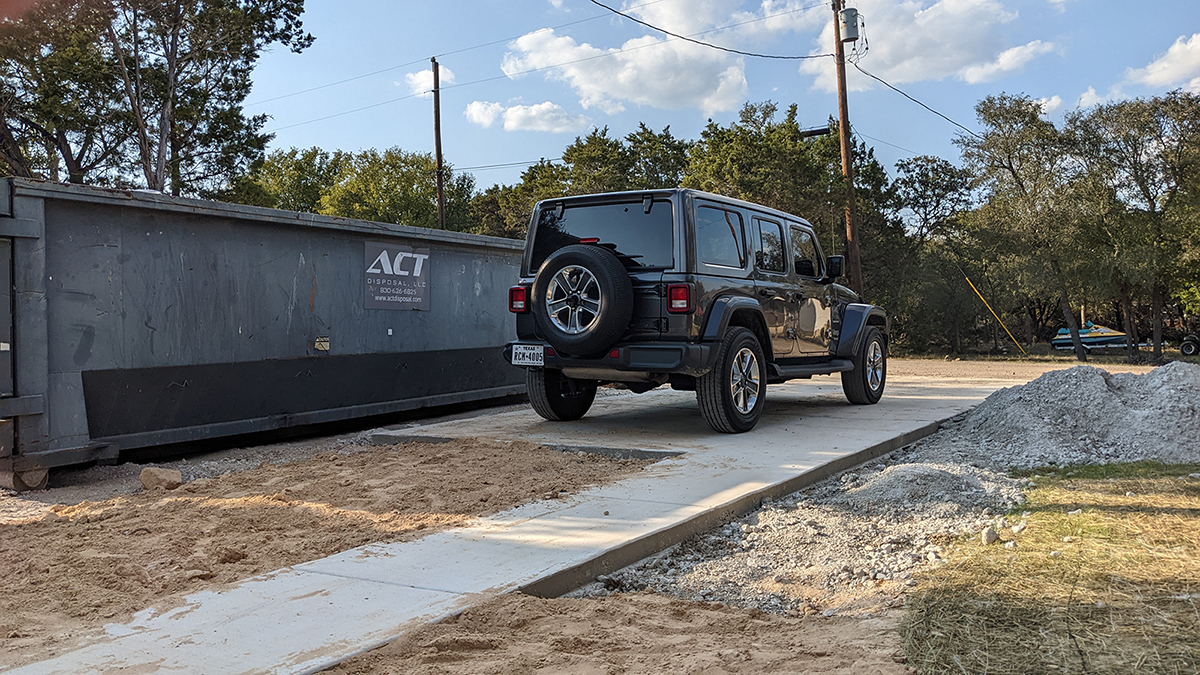
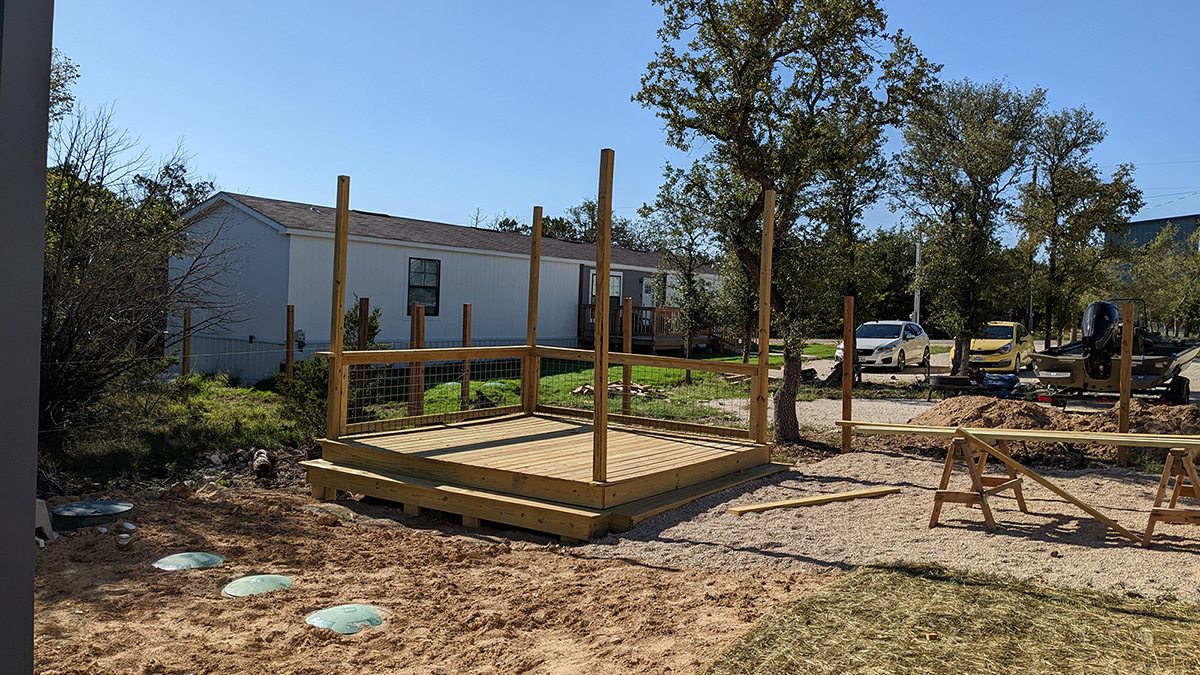
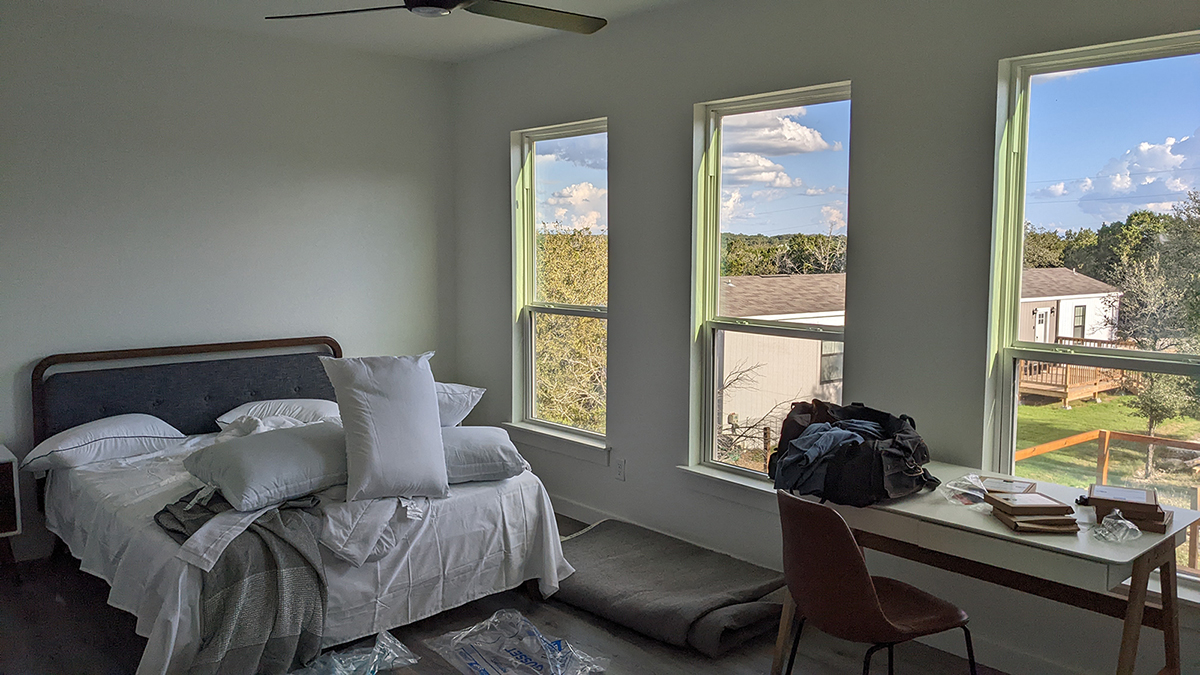
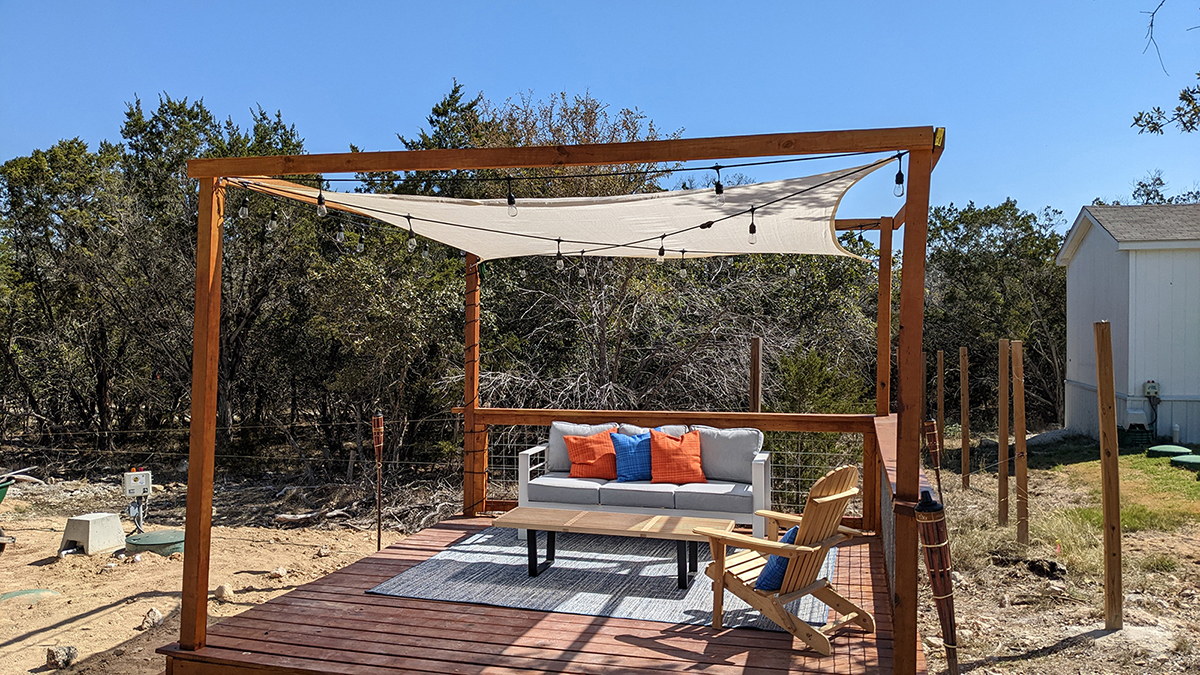
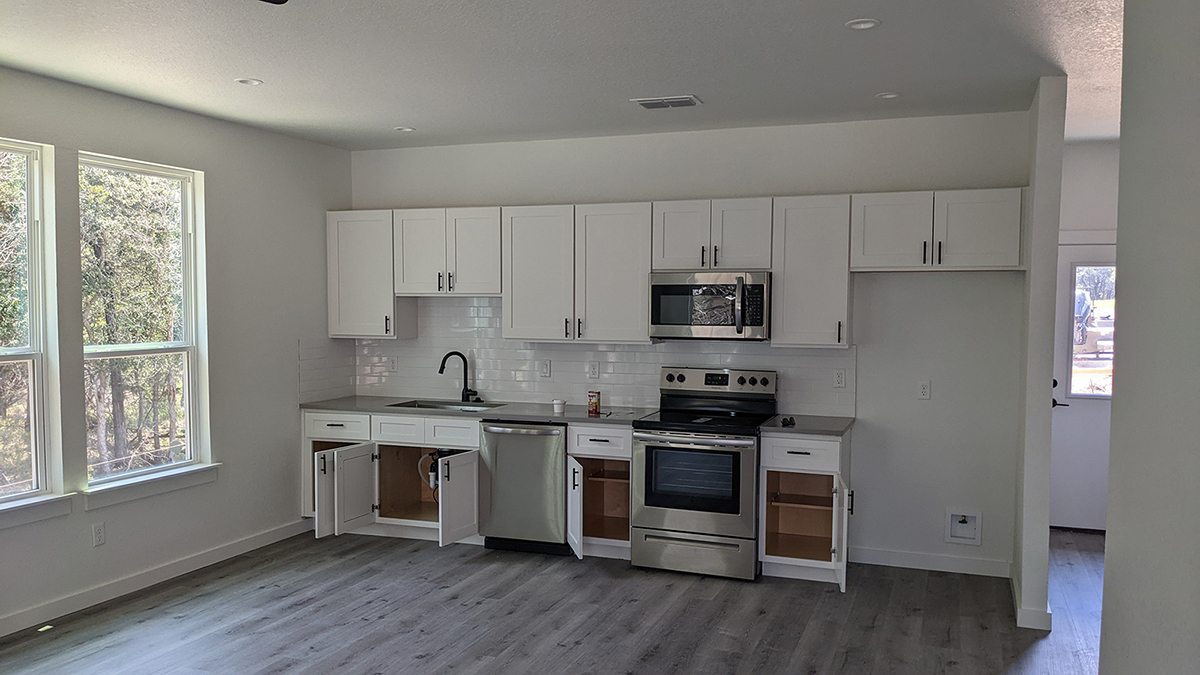
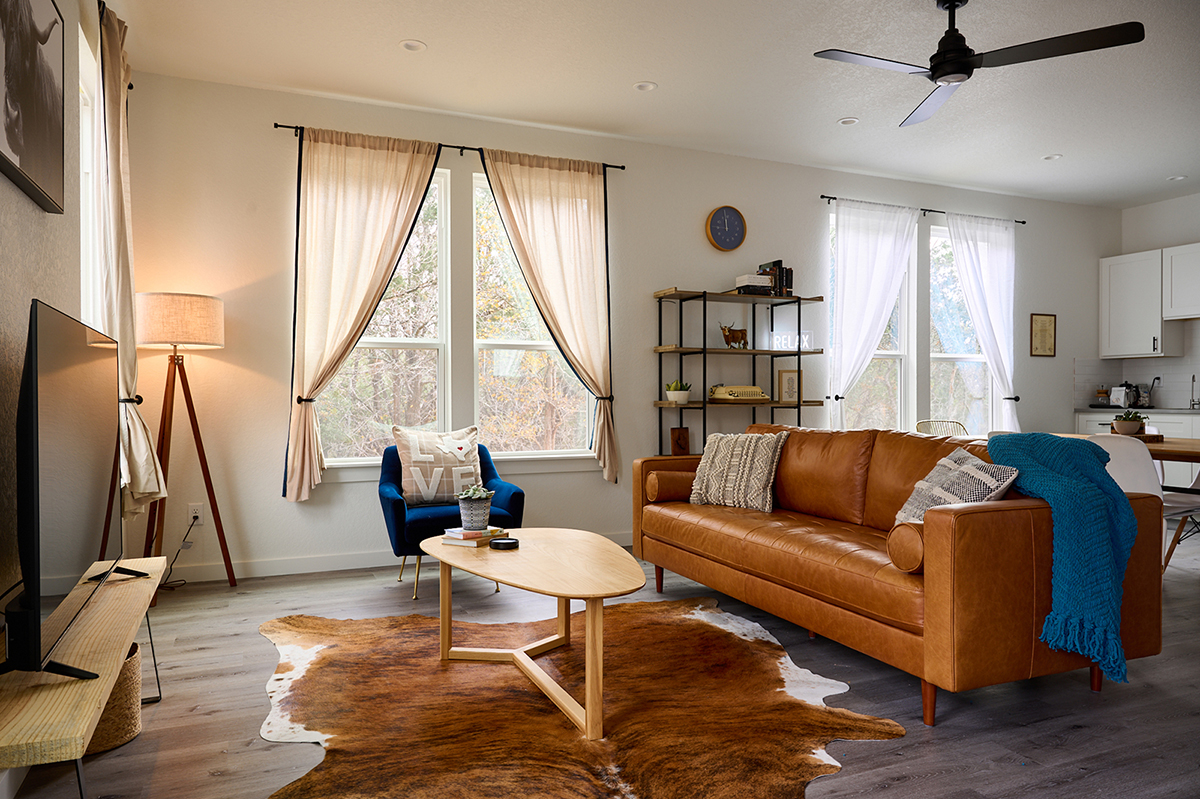
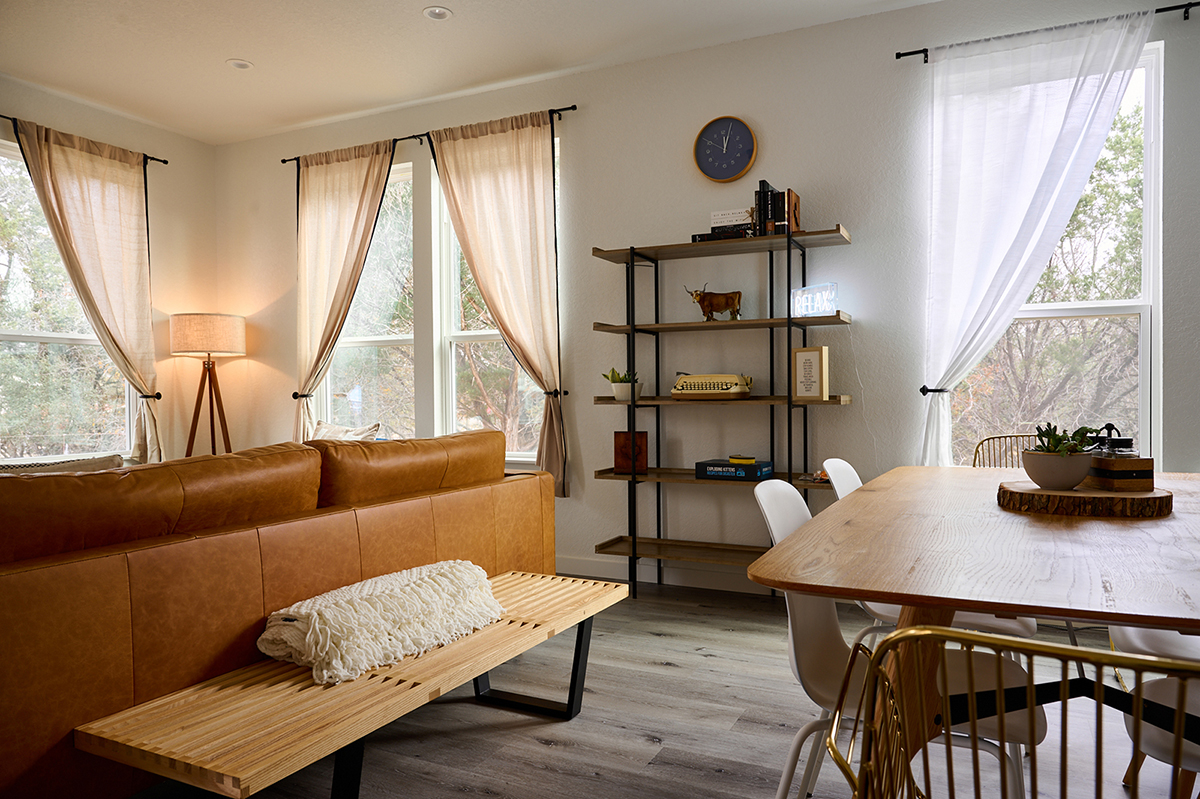
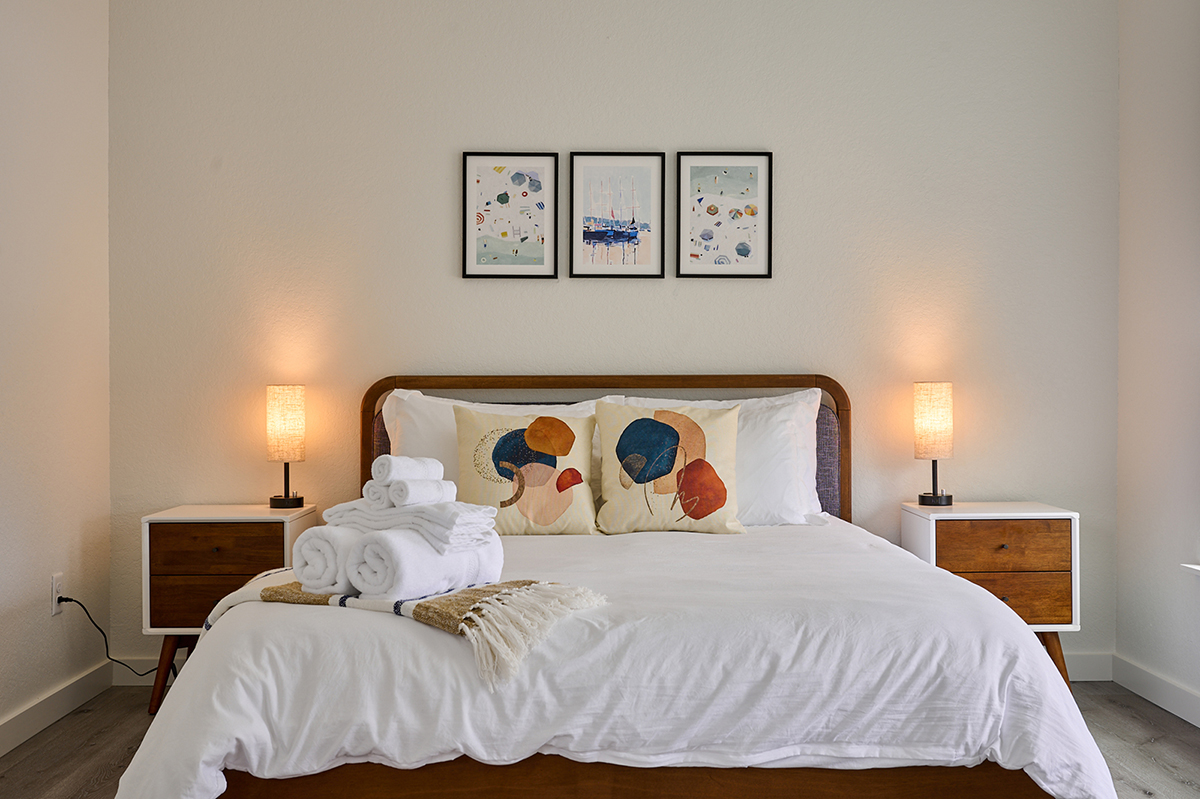
I designed and launched a boutique-style vacation rental in Canyon Lake, Texas in just three weeks with the goal of creating a stay that felt both deeply personal and professionally polished. Drawing inspiration from the surrounding Hill Country landscape, I curated the interior with natural textures, layered lighting, and thoughtful amenities to deliver comfort and authenticity. I implemented seamless digital touchpoints like self check-in, hotel-style guides, and local recs to enhance the guest experience.
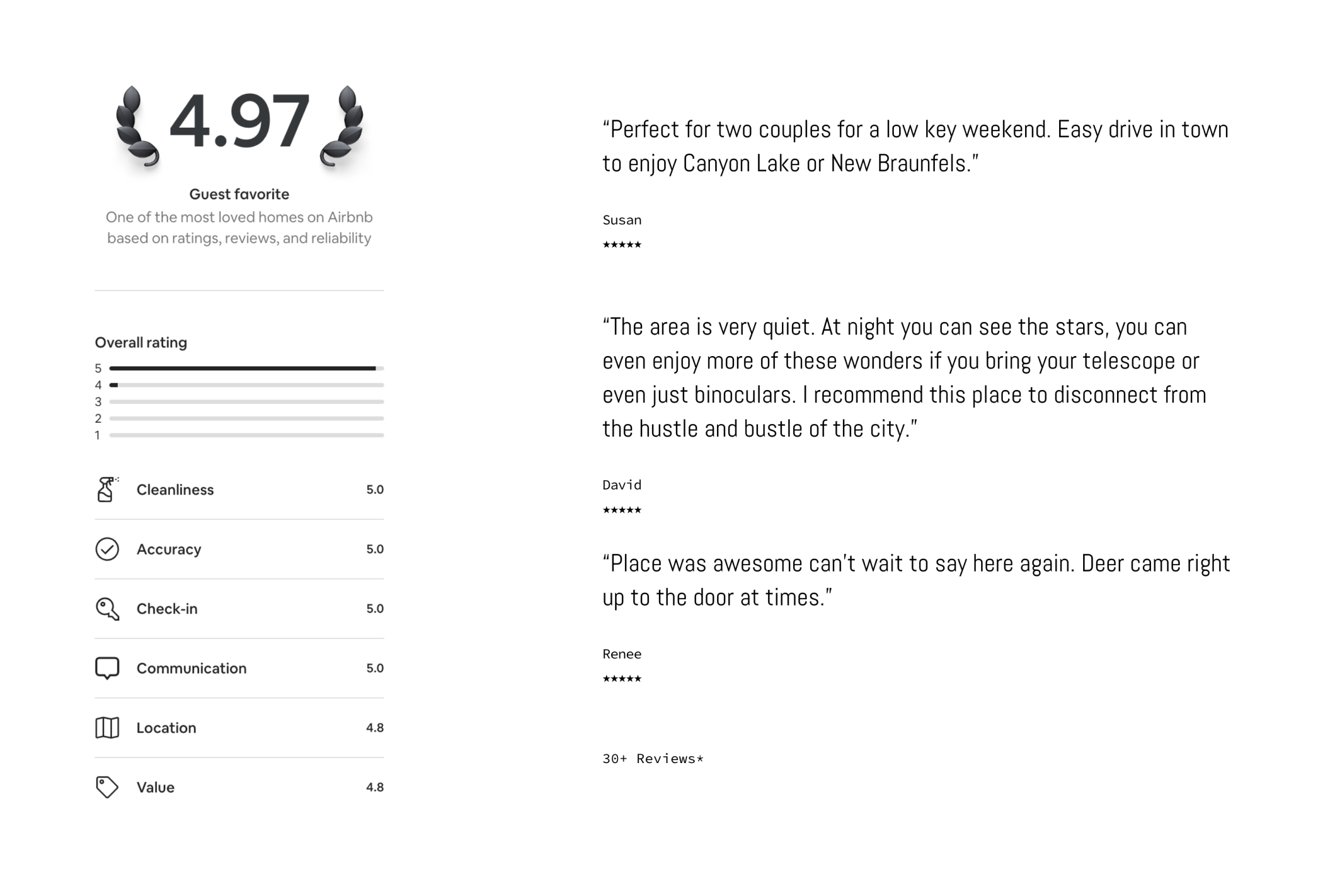
The result was a 4.98-star rating across 30+ reviews in under two years, with performance consistently exceeding local booking averages. The success and operational demand eventually led to a smooth transition to professional property management, maintaining the original guest-first vision at scale.
Current Tenant